



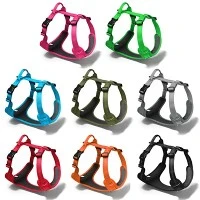


In an emergency or when a traditional leash isn't available, several everyday items can be repurposed as a temporary dog leash. However, it's crucial to prioritize safety and ensure the substitute is secure, strong, and comfortable for your dog. Here's what you can use and how to use them:
1. Strong Fabric or Clothing
What to use:
A belt (leather or fabric), scarf, rope, tow rope, or thick fabric strip (e.g., from a bedsheet or towel).
Dog harness substitute tip: If you don't have a harness, you can also use fabric to create a makeshift harness (see below) and attach the leash to it.
How to use:
For a collar leash: Loop the fabric around your dog's neck (leaving 2 fingers' space for comfort) and tie a secure knot (avoid a slip knot that could tighten). Attach the other end to your hand or belt loop.
For a body harness leash: Wrap the fabric around your dog's chest (just behind the front legs) and tie it securely, then use the loose ends as a handle.
2. Backpack Straps or Luggage Straps
What to use:
Straps from a backpack, duffel bag, or luggage (ensure they're sturdy and not prone to tearing).
How to use:
Loop the strap around your dog's neck or chest and fasten it securely. Use the buckle or adjustable clips to tighten it to a snug (but not restrictive) fit.
Hold the free end of the strap as you would a leash.
3. Leash Alternatives for Small Dogs
For small breeds or puppies:
Scarf or thin rope: Gently loop it around the chest (not the neck) to avoid choking.
Sweater or jacket sleeve: Cut a sleeve from an old sweater, tie it around the chest, and use the cuff as a handle.
4. Car Seatbelt or Seatbelt Extender
What to use:
A car seatbelt (only in an emergency, as it's not designed for walking).
A seatbelt extender (if you have one in your car).
How to use:
Loop the seatbelt around your dog's chest or neck (again, leaving space for comfort) and buckle it. Hold the free end or attach it to a secure point (e.g., your belt) while walking.
5. Leash Attachment Points (If You Have a Harness)
If you have a makeshift harness (e.g., from fabric) but no leash, use these to create a handle:
Fabric loop: Tie a small loop at the top of the harness for your hand.
Keychain or carabiner: If you have a small metal clip, attach it to the harness and use a fabric strip as a leash.
Important Safety Considerations
Avoid choking hazards:
Never use a thin cord (e.g., shoelace) around the neck, as it can cut into your dog's skin or cause strangulation.
Prioritize chest straps over neck loops for larger dogs.
Test for strength:
Tug gently on the substitute leash before walking to ensure it won't break or slip.
Shorten the leash length:
Keep your dog close to you to reduce strain on the makeshift leash and prevent sudden pulls.
Transition to a proper leash ASAP:
Temporary solutions are not substitutes for a durable, well-fitted leash and harness. Purchase a proper leash as soon as possible.
How to Make a Makeshift Harness + Leash Combo
If you need both a harness and a leash, follow these steps:
Fabric harness:
Use a thick towel or bedsheet cut into two long strips (about 2–3 feet each).
Wrap one strip around your dog's chest (behind the front legs) and tie it securely.
Wrap the second strip around the back (just in front of the hind legs) and tie it to the first strip at the top of the back, creating an "X" shape.
Leash attachment:
Tie a third strip of fabric to the "X" intersection at the back to use as a handle.
When to Avoid DIY Leashes
For strong pullers or large breeds: Flimsy materials (e.g., thin fabric) may not hold up and could lead to escapes or injuries.
Long-term use: Always invest in a proper leash (nylon, leather, or rope) and harness for regular walks.
Summary of Safe Temporary Leash Options
| Item | Best For | How to Secure |
|---|---|---|
| Belt/scarf/rope | All sizes, short-term use | Loop around chest or neck; tie securely. |
| Backpack/luggage straps | Medium to large dogs | Use buckles to adjust and fasten. |
| Car seatbelt | Emergency transport | Loop around chest; buckle loosely. |
| Fabric strips | Small dogs or puppies | Create a chest harness with tied loops. |
By using these makeshift solutions cautiously and prioritizing your dog's safety, you can manage walks in a pinch. Always monitor your dog closely and replace temporary gear with proper equipment as soon as possible!