


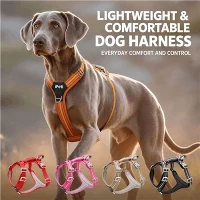
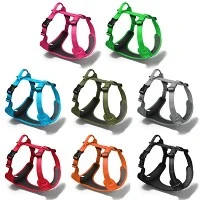


A no-pull dog harness is designed to discourage a dog from pulling on the leash by using strategic pressure points or mechanics to redirect their movement, rather than relying on force or discomfort. Unlike traditional collars (which can strain the neck and throat), these harnesses distribute pressure more evenly across the chest and shoulders, making them safer and more humane for both the dog and the handler. Here's what sets them apart and how they work:
Key Features of No-Pull Harnesses
1. Front-Clip Design
Leash Attachment Point: Located on the front of the chest (near the shoulder blades), rather than the back.
Mechanism: When the dog pulls, the front clip redirects their body sideways or towards the handler, disrupting their forward momentum. This creates a natural "turning" effect that discourages pulling and encourages the dog to stay closer.
Example: Brands like Ruffwear Front Range or PetSafe Easy Walk Harness use this design.
2. H-shaped or Figure-8 Strapping
Structure: Straps form an "H" or "8" shape across the chest and back, distributing pressure across the shoulders and ribcage.
Benefit: Prevents the harness from slipping or twisting while providing stability during pulls.
Example: The Freedom No-Pull Harness uses an H-shaped design with a front clip.
3. Back-Clip with Additional Control Straps
Dual Attachment Points: Some harnesses have both a front and back clip. The back clip is for regular walking, while the front clip is for no-pull training.
Martingale-Style Loops: Optional loops on the chest or back that tighten gently when the dog pulls, providing gentle feedback without choking.
4. Pressure-Distributing Padding
Padded Chest and Belly Panels: Made from soft materials (neoprene, mesh, or fleece) to cushion pressure points and prevent chafing, even during strong pulls.
Example: The Kurgo Tru-Fit Smart Harness features padded straps and a crash-tested design for safety.
5. Adjustable Straps for a Custom Fit
Multiple Buckles/Clips: Allow adjustments around the chest, neck, and girth to ensure a snug, secure fit. A poorly fitted harness can slip or cause discomfort, reducing its effectiveness.
Tip: A proper fit should allow 2 fingers to slide under the straps without looseness.
How No-Pull Harnesses Work Differently from Collars
| Feature | No-Pull Harness | Traditional Collar |
|---|---|---|
| Pressure Points | Chest, shoulders, and upper back. | Neck and throat (risk of injury or choking). |
| Pull Response | Redirects movement sideways or backward. | Applies direct pressure on the neck. |
| Training Focus | Encourages loose-leash walking through redirection. | Relies on correction (may cause fear or resistance). |
| Safety for Dogs | Reduces risk of neck, spine, or trachea injury. | High risk of injury from pulling or jerking. |
Types of No-Pull Harnesses
1. Front-Clip Harnesses
Best for: Dogs that pull aggressively or need active redirection during walks.
How they work: The front clip acts like a "steering wheel," guiding the dog's body when they pull.
2. Head Collars (e.g., Gentle Leader)
Design: Resembles a horse halter, with a loop around the snout and a strap behind the ears.
Mechanism: When the dog pulls, the head collar turns their head sideways, discouraging forward movement.
Note: Some dogs may resist the snout loop initially, requiring gradual training.
3. Body Wrap Harnesses
Design: A single piece of fabric or webbing that wraps around the chest and body, often with a back clip.
Example: The SENSE-ation Harness uses gentle pressure on the chest to calm anxious dogs while discouraging pulling.
4. Martingale-Style Harnesses
Design: Includes a loop that tightens slightly when the dog pulls, similar to a martingale collar but on the body.
Purpose: Provides gentle feedback without restricting breathing or causing pain.
Tips for Choosing and Using a No-Pull Harness
Prioritize Proper Fit:
Measure your dog's chest (widest part) and neck circumference. Refer to the manufacturer's size chart.
Ensure the harness doesn't ride up into the armpits or slip over the head when pulling.
Pair with Positive Reinforcement Training:
Use treats, praise, or toys to reward loose-leash walking. Harnesses are tools, not substitutes for training.
Avoid jerking or yanking the leash, as this can create fear or resistance.
Check for Signs of Discomfort:
Look for redness, chafing, or hair loss where the harness makes contact.
If your dog resists wearing the harness, acclimate them gradually (e.g., let them sniff it, reward calm behavior, and build up wearing time).
Avoid Over-Reliance:
No-pull harnesses are most effective during training. Over time, aim to transition to a regular harness or collar as your dog improves loose-leash skills.
When to Avoid No-Pull Harnesses
For Dogs with Respiratory Issues: Breeds like Bulldogs or Pugs may struggle with chest pressure; consult a vet for alternatives.
During Off-Leash Activities: Use a harness with a secure back clip for activities like hiking or running, where freedom of movement is key.
If the Dog Hates It: Some dogs may react negatively to the sensation of a harness. Try different styles or consult a trainer for desensitization techniques.
Popular No-Pull Harness Brands
PetSafe Easy Walk Harness: Classic front-clip design for all sizes.
Ruffwear Front Range: Durable, adjustable, and ideal for active dogs.
Freedom No-Pull Harness: Combines front and back clips for versatile control.
Halti Head Collar: A head collar option for extreme pullers (requires training).
By understanding how no-pull harnesses work and choosing the right design for your dog's size, breed, and behavior, you can make walks safer, more enjoyable, and less stressful for both of you. Always remember: the best "no-pull" solution is a well-trained dog, and harnesses are most effective when paired with consistent, positive reinforcement!