




Dog Harness
Custom Dog Harness Manufacturing Built Around Fit, Structure and Intended Use
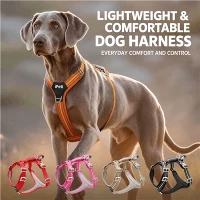
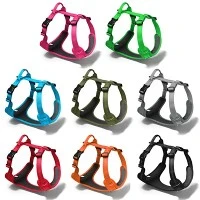
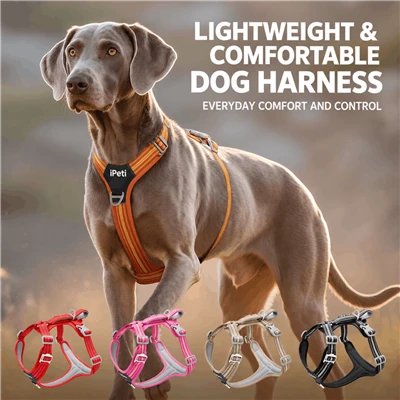
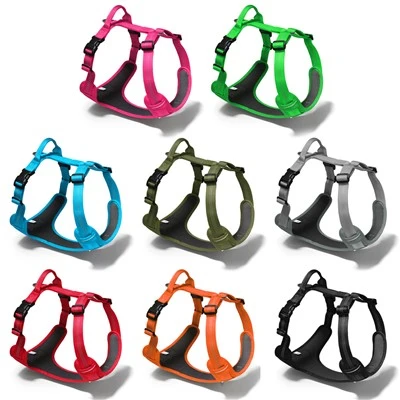
iPeti develops dog harness programs for pet brands, importers, wholesalers, outdoor and working-dog suppliers, and retail chains. Current harness directions include neoprene, step-in, strap or H-type, heavy-duty, mesh, reversible, velvet and LED structures. Buyers can define chest and neck ranges, adjustment points, webbing or fabric construction, padding, buckles, D-rings, front or back leash attachment, handles, reflective details, colors, artwork, branding and packaging. Harness selection should start with dog body shape, wearing method, activity level, control requirement and climate rather than appearance alone. For OEM projects, provide the target size range, intended use, quantity and reference design so the structure can be reviewed before sampling.


Choose a Dog Harness by Fit, Control Method and Activity Level
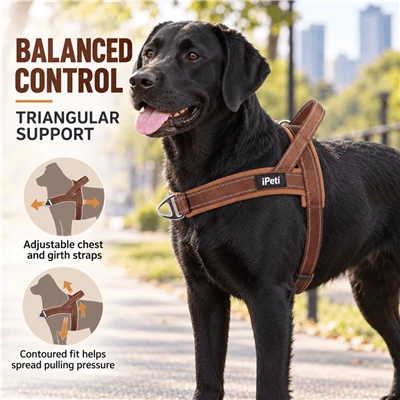
Different harness structures distribute load and allow adjustment in different ways. Buyers should compare how the harness is worn, where it contacts the chest and shoulders, how many adjustment points are available and where the leash connects before selecting materials or visual design.
Develop the Size Chart from Measurable Body Dimensions
Harness sizing requires more information than a general S, M or L label. Chest girth, neck or upper-chest dimensions, harness geometry and adjustment range determine whether a design can fit the intended dog population without restricting movement or creating excessive looseness.
Measurements to Define
- Chest girth at the intended harness position
- Neck or upper-chest circumference where required by the structure
- Back or chest-panel length for vest-style designs
- Minimum and maximum usable adjustment range
- Strap width for each size group
- Underarm clearance and chest-panel position
- Buckle, slider and D-ring dimensions
Verify the Finished Harness, Not Only the Pattern
Fabric thickness, padding, binding, buckle length and sewing can change the usable finished dimensions. A size chart should therefore be checked against finished samples and the intended adjustment range.
When a buyer supplies an existing size chart, confirm whether its measurements refer to dog body dimensions or finished harness dimensions. The two should not be treated as interchangeable.
Compare Structure, Materials and Adjustment Before Selecting a Model
The most suitable harness depends on the buyer's target dog, wearing duration, climate, required control and target retail positioning.
| Harness Structure | Main Construction | Fit & Adjustment Focus | Control / Load Focus | Typical Product Direction |
|---|---|---|---|---|
| Step-In | Webbing, fabric, mesh or padded body depending on model | Chest fit, leg openings, underarm clearance and closure position | Back attachment and escape resistance according to structure | Daily walking and easy-wear retail programs |
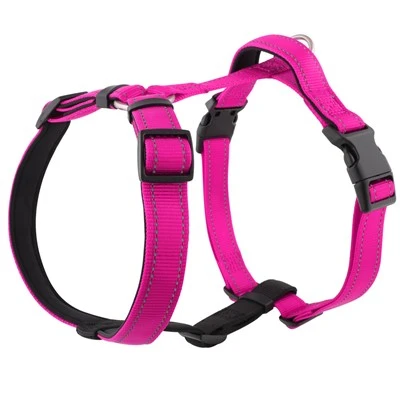
| H / Y Strap | Adjustable webbing with multiple connection and slider points | Neck, chest and body strap adjustment | Balanced strap positioning and leash attachment | Lightweight, adjustable and multi-size programs |
| Neoprene / Padded | Composite fabric or neoprene with webbing reinforcement | Panel shape, binding, softness and pressure distribution | Reinforcement around D-rings and webbing anchor points | Comfort, outdoor and lifestyle product lines |
| Mesh | Mesh body with binding and reinforced attachment zones | Chest fit, airflow, edge comfort and shape retention | Load should transfer through reinforced structural areas | Lightweight and warm-climate collections |
| Heavy-Duty | Higher-density webbing, reinforced sewing and substantial hardware | Multiple adjustment points and stable body positioning | Handles, buckles, D-rings and load-bearing stitch areas | Working-dog, training and outdoor channels |
| Reversible / Fashion | Two-sided fabric construction with coordinated binding and hardware | Consistent fit whichever side is worn | Hardware placement must remain functional in both configurations | Fashion, seasonal and private-label collections |
Balance Comfort, Support, Breathability and Structural Strength
Harness materials perform different jobs. Surface fabrics and padding affect comfort and appearance, while webbing, seams, buckles and D-ring anchor points generally carry the structural load. The material package should therefore be developed as a complete system.
Webbing
Webbing width, thickness, density and weave should suit the harness size and intended use. Structural straps should be reviewed together with sliders, buckles and stitch patterns.
Neoprene & Composite Materials
Composite structures can provide padding and a softer contact surface. Thickness, backing fabric, lamination, binding and drying behavior should be selected for the intended climate and use.
Mesh
Mesh can reduce bulk and improve airflow, but support depends on material construction and how load is transferred through reinforced straps and attachment zones.
Padding
Padding should be positioned where it improves body contact without preventing adjustment or creating excessive heat and bulk. Thickness should suit the specific harness geometry.
Binding & Edges
Edge binding affects comfort, durability and finished appearance. Curved chest and underarm areas require particular attention to prevent hard seams or poorly positioned edges.
Reflective Details
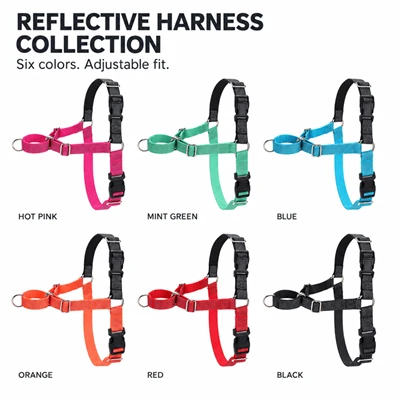
Reflective piping, strips or compatible webbing can be added to selected structures for low-light product programs. Placement should not weaken structural seams or interfere with adjustment.
Trace the Pulling Force from the Leash Attachment Through the Harness
A strong fabric does not make a harness strong by itself. Pulling force travels through the D-ring, webbing, stitched anchor points, buckles and surrounding body structure. Each connection should be designed so one weak component does not compromise the complete harness.
D-Ring Attachment
The D-ring should be matched to the intended strap width and load requirement. Its anchor webbing and surrounding stitching are part of the same load-bearing connection.
Buckle Position
Buckles should provide convenient dressing without sitting in inappropriate high-pressure areas. Material, dimensions and load requirement should suit the selected harness structure.
Reinforced Stitching
D-ring anchors, handles and webbing joints are typical areas where reinforcement may be required. Stitch configuration should be determined by the construction and required load rather than decorative appearance.
Front Leash Attachment
Selected structures can use a front attachment point for different handling characteristics. Its position and reinforcement should be validated on the finished harness geometry.
Back Leash Attachment
A dorsal attachment is common across many walking designs. Its location affects how force is transferred across the back panel or strap structure.
Control Handle
Heavy-duty harnesses can use a top handle for close control. Handle height, internal reinforcement and attachment stitching should match the intended application.
Set Test Requirements for the Exact Harness and Target Market
Testing should reflect the selected harness structure, material and buyer requirement. A single load value or compliance claim should not be applied to every model without supporting data for that construction.
Finished Harness Pull Test
A controlled pull test can be specified to evaluate the assembled harness and identify deformation, seam failure or hardware failure under the agreed load method.
Stitch & Anchor Check
D-ring anchors, handles and structural webbing connections can be examined separately when these areas are important to the intended load path.
Buckle Evaluation
Buckles may require opening and closing checks or load-related evaluation depending on the material, structure and customer specification.
Size Verification
Finished chest, neck and adjustment ranges should be compared with approved specifications so each production size remains within the agreed dimensional tolerance.
Fit Validation
Where fit is critical, finished samples can be reviewed for strap position, adjustment range, underarm clearance and movement according to the intended body shape.
Colorfastness
Printed or dyed fabrics can require rubbing, washing or water-related color checks based on the material and buyer's product requirements.
Material Checks
Material composition, lamination, abrasion or other properties should be confirmed only where applicable to the selected fabric or composite structure.
Hardware Requirements
D-rings, buckles and other hardware can require additional material or corrosion-related requirements when specified for particular climates or markets.
Match the Harness Structure to the Selling Scenario
Choosing a harness by use case helps buyers avoid over-specifying a lightweight retail product or under-specifying a training and working-dog product.
Everyday Walking
Adjustable step-in, strap or padded harnesses can suit daily retail programs where ease of fitting, comfort, repeatable sizing and visual appeal are important.
No-Pull Product Programs
If a buyer requires a front-attachment or control-oriented design, define the intended handling concept, attachment location and harness geometry before using a no-pull marketing claim.
Outdoor & Hiking
Outdoor ranges may prioritize durable webbing, stable fit, padded contact areas, reflective details, handles and hardware suitable for the intended environment.
Working & Service-Dog Products
Higher-control products can require more adjustment points, substantial webbing, reinforced handles, patches and defined load requirements. Functional needs should be specified before styling.
Warm-Climate Retail
Mesh or lower-bulk structures can be considered where airflow and reduced material coverage are priorities. Structural straps and attachment points still require appropriate reinforcement.
Fashion & Seasonal Collections
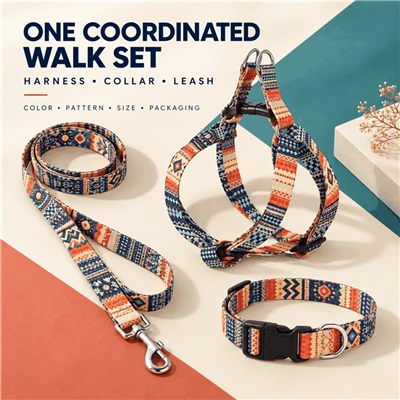
Reversible, printed or specialty-fabric harnesses can support coordinated collections with matching leashes, collars, packaging and seasonal artwork.
Customize the Pattern, Structure, Branding and Matching Accessories
Custom harness development can range from branding an existing construction to modifying panels, straps, adjustment points, materials and leash attachment locations. The scope should be defined before sampling so structural and visual changes can be evaluated separately.
Customization Areas
- Harness pattern and panel geometry
- Chest and neck adjustment ranges
- Webbing width, fabric and padding
- Custom colors and coordinated binding
- Printed artwork and seasonal patterns
- Woven labels and compatible printed branding
- PVC or silicone logo patches where suitable
- Hook-and-loop patch areas for compatible tactical designs
- Front or rear leash attachment points
- Handles for selected heavy-duty structures
- Reflective trim or webbing where appropriate
- Matching leashes, collars and accessories
- Hang tags, barcode labels and retail packaging
Prepare These Details for Quotation
- Harness type or reference product
- Target dog type and intended use
- Required size range
- Chest and neck measurements where available
- Material and padding preference
- Estimated quantity by size and color
- Buckle and D-ring requirements
- Front or back attachment requirement
- Logo, artwork or patch files
- Matching leash or collar requirements
- Retail packaging requirement
- Destination country
- Required product or material tests
MOQ, sampling time and production lead time depend on the exact harness construction, materials, custom color, artwork, hardware and packaging. Confirm these items against the selected program rather than applying one value to all harnesses.
Extend One Harness Design into a Coordinated Walking Collection
Brands developing a wider product line can coordinate harness colors, patterns and branding with matching leashes, collars and accessories. Structural specifications still need to be approved separately for each component.
Matching Leashes
Webbing colors, prints and hardware finishes can be coordinated with compatible leash constructions while leash dimensions and load-bearing connections are specified independently.
Matching Collars
Collar sizes, buckles and D-rings should be developed for their own use requirements while sharing the harness color, artwork or brand identity.
Retail Sets
Harness, leash and collar combinations can be planned as one SKU family with coordinated packaging, barcode identification and size or color assortments.
Approve Fit and Structural Details Before Bulk Production
Harness projects benefit from separating fit approval, structural approval, visual approval and packaging approval so changes can be identified before bulk materials are prepared.
Requirement Review
Confirm harness structure, size range, intended use, target market, quantity and customization scope.
Pattern & Material
Define panels, straps, adjustment points, materials, padding, hardware, colors and branding direction.
Sample & Fit Approval
Review finished dimensions, adjustment range, strap position, hardware operation, stitching, branding and overall fit.
Production & QC
Produce against the approved sample and specification, then check critical size, structural and packaging requirements before shipment.
Production Processes for Sewn, Printed and Custom Harness Programs
iPeti's available site materials identify production processes including sewing, pattern sewing, digital printing, heat transfer and laser-related equipment. These processes support different textile harness structures, custom patterns, branding and component preparation. Specific manufacturing methods should be selected according to the approved harness material and construction.
Sewn Harness Construction
Harness production requires control of panel cutting, webbing preparation, edge binding, hardware installation and stitching around structural connection points. Fit-critical dimensions should remain linked to the approved size specification throughout production.
Printed Harness Programs
Printed fabric and webbing programs require artwork scale, color direction and material approval before bulk production. When one pattern is used across several harness sizes, the visible design may need adjustment for different panel dimensions.
Wholesale Dog Harness Purchasing Questions
What dog harness structures can iPeti manufacture?
Current iPeti harness categories include neoprene, step-in, strap or H-type, heavy-duty, mesh, reversible, velvet and LED harnesses. Harness sets are also available as a separate category. The suitable construction depends on fit, wearing method, intended activity, control requirement and target retail positioning.
How do you develop and verify a dog harness size chart?
Size development should start from measurable dimensions such as chest girth, neck or upper-chest circumference where relevant, panel length and usable adjustment range. Finished samples should then be checked because padding, binding, buckles and sewing can change the final dimensions compared with the paper pattern.
What pull and buckle tests are performed on dog harnesses?
Test requirements should be defined for the specific harness. Depending on the buyer specification, evaluation can cover the finished harness under pull, stitched anchor areas, buckles, D-rings, adjustment stability, dimensions and other relevant material properties. A universal load value should not be assumed across different harness constructions.
Can front-clip and back-clip harnesses be customized?
Front and rear leash attachment configurations can be discussed for compatible harness structures. The location, D-ring, anchor webbing and surrounding reinforcement should be developed together so the attachment works with the intended harness geometry and use.
Can harness patterns, logo patches and matching leash sets be customized?
Yes. Compatible harness programs can use custom colors, artwork, woven labels, printed branding, PVC or silicone patches, reflective details and other suitable branding methods. Matching leashes, collars and accessories can also be developed with coordinated colors, artwork, hardware and packaging.
What is the MOQ for a private-label dog harness?
MOQ varies according to harness construction, fabric, webbing, custom color, printing, hardware, logo method, size assortment and packaging. Send the required harness type, estimated quantity and customization scope so the applicable MOQ can be confirmed for that specific program.
Send Your Harness Specification for Review
Include the harness type, intended use, chest and neck size ranges, materials, adjustment requirements, expected quantity, buckle and D-ring preference, front or rear leash attachment, logo or artwork, matching accessories, retail packaging and destination country. A reference photo, sample or technical drawing can also be used to define the project.
Get a Dog Harness Recommendation & QuoteWholesale & Custom Dog Harness Inquiry
Please include harness type, intended use, chest and neck size range, material, required quantity, adjustment and leash-attachment requirements, destination country, logo or artwork details, and any testing or packaging requirements.
As one of the leading dog harness manufacturers and suppliers in China, we warmly welcome you to buy bulk customized dog harness from our factory. All custom made products are with high quality and competitive price.