




When sourcing pet products from China, one question frequently comes up: Do pet products need certifications before they can be imported and sold in the United States, Europe, Canada, or Australia?
Many buyers assume that every product must have CE, FCC, RoHS, or other certificates before entering an overseas market. However, this is not necessarily true.
In fact, most conventional, non-electrical pet products do not require a specific mandatory product certification simply because they are designed for pets.
Products such as dog collars, leashes, harnesses, pet beds, clothing, feeding bowls, and many ordinary pet toys generally fall outside the mandatory certification systems designed for electrical and electronic equipment.
However, this does not mean that manufacturers and importers can ignore product safety regulations.
Understanding the difference between mandatory certification, regulatory compliance, and voluntary product testing is essential for making informed purchasing decisions.
In this guide, we explain what certifications are generally required for pet products, which products may need additional testing, and what importers should check before placing an order.
1. Do Ordinary Pet Products Require Mandatory Certifications?
The short answer is: Generally, no specific mandatory product certification is required for most ordinary, non-electrical pet accessories.
Unlike electrical appliances, wireless devices, and electronic equipment, conventional pet accessories are not automatically subject to certification schemes such as CE-EMC, FCC, or RoHS.
Consider the following common pet products:
| Product Category | Specific Mandatory Certification Generally Required? |
|---|---|
| Dog collars | Generally no |
| Dog leashes | Generally no |
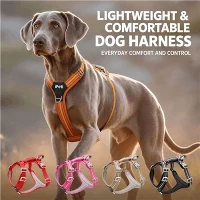
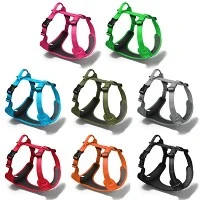
| Dog harnesses | Generally no |
| Pet clothing | Generally no |
| Pet beds | Generally no |
| Ordinary pet toys | Generally no |
| Pet feeding bowls | Generally no, but food-contact requirements may apply |
| Pet ropes and chew toys | Generally no, but safety and chemical restrictions apply |
| Pet waste bag holders | Generally no |
| Ordinary pet accessories | Generally no |
These products generally do not require a CE certificate simply because they are sold as pet accessories.
However, product-specific regulations, chemical restrictions, general product safety requirements, and retailer requirements may still apply.
For example, a pet feeding bowl intended to come into contact with food or water needs a different compliance assessment from a standard dog leash.
The important point is that not requiring a specific certification does not mean being exempt from applicable product safety laws.
2. Why Are Electrical Pet Products Different?
Electrical and electronic pet products are subject to additional regulatory requirements because they involve electrical power, batteries, radio communication, or electronic components.
Examples include:
Automatic pet feeders.
Electric water fountains.
LED dog collars.
GPS tracking collars.
Bluetooth pet trackers.
Electronic training devices.
Smart pet cameras.
Rechargeable pet accessories.
Depending on the product's design and destination market, these products may require different assessments or certifications.
For example:
CE / EU Compliance
Electronic pet products may fall under applicable EU legislation covering electromagnetic compatibility (EMC), electrical safety, radio equipment, or hazardous substances.
FCC / United States
Products containing radio-frequency transmitters or other regulated electronic functions may need to comply with applicable FCC requirements.
RoHS / EU
Electrical and electronic equipment within the scope of the RoHS Directive must comply with applicable restrictions on hazardous substances.
Battery and Transport Requirements
Products containing lithium batteries may also involve battery safety, transportation testing, and applicable labeling or documentation requirements.
The exact requirements depend on the product's electrical design and functions.
For example, a rechargeable LED dog collar without wireless communication is different from a Bluetooth-enabled GPS collar. Their compliance requirements should not be assumed to be identical.
This is why electrical pet products generally require a more detailed compliance assessment than ordinary non-electrical accessories.
3. What Regulations Should Non-Electrical Pet Products Follow?
Although most ordinary pet accessories do not require specific mandatory certification, importers should still pay attention to several important regulatory areas.
A. EU General Product Safety Regulation (GPSR)
The EU General Product Safety Regulation (EU) 2023/988, commonly known as GPSR, has applied since December 13, 2024.
It establishes general safety obligations for consumer products placed on the EU market, including many non-electrical pet products.
Depending on the product and the parties involved, relevant obligations may include:
Product safety assessment.
Technical documentation.
Product identification and traceability.
Manufacturer and responsible economic operator information.
Appropriate warnings and safety information.
Procedures for handling safety complaints and product recalls.
GPSR is a general product safety regulation, not a universal certification scheme.
In other words, ordinary dog collars and leashes do not automatically need a CE certificate under GPSR. However, applicable safety and traceability obligations still need to be considered.
B. REACH Regulation
REACH is another important EU regulation for pet product manufacturers and importers.
It addresses the registration, evaluation, authorization, and restriction of chemicals.
For pet accessories, the materials used in production may need to be assessed against applicable chemical restrictions.
Relevant materials may include:
Plastic buckles and accessories.
PVC-coated webbing.
Rubber logos and components.
Textile fabrics.
Metal hardware and coatings.
Printed materials and surface treatments.
Depending on the material and applicable restrictions, testing may be appropriate for substances such as restricted phthalates, certain heavy metals, or substances of very high concern (SVHC).
However, REACH compliance is not the same as having a universal REACH certificate.
A test report may provide supporting evidence, but the manufacturer and importer must still assess whether the actual product meets applicable legal requirements.
C. General Product Safety Requirements in the United States
In the United States, ordinary pet accessories are not generally subject to one universal mandatory certification program.
However, applicable federal and state laws may regulate product safety, chemicals, labeling, and specific product characteristics.
The Consumer Product Safety Commission (CPSC) administers relevant consumer product safety laws and regulations.
For ordinary pet accessories, importers should pay attention to:
Potential choking or detachment hazards.
Sharp edges and exposed metal components.
Material safety.
Product construction and durability.
Applicable chemical restrictions.
Accurate product descriptions and warnings.
For example, CPSIA requirements generally concern products designed or intended primarily for children 12 years old or younger. An ordinary dog collar is not automatically a children's product simply because it contains plastic or textile materials.
California Proposition 65 may also be relevant when products expose consumers to listed chemicals above applicable thresholds.
The applicable requirements should be evaluated according to the actual product and its intended use.
D. Requirements in Canada and Australia
Canada and Australia also regulate product safety, but they do not impose a universal certification requirement on every ordinary pet accessory.
In Canada, the Canada Consumer Product Safety Act (CCPSA) establishes safety obligations and prohibitions relevant to consumer products.
In Australia, the Australian Consumer Law (ACL) includes consumer product safety requirements, while mandatory standards apply to specified product categories.
For ordinary pet collars, leashes, harnesses, and beds, a specific certification is generally not required solely because the product is imported.
Nevertheless, applicable safety rules, chemical restrictions, labeling requirements, and retailer specifications should be checked.
4. Which Pet Products May Need Additional Testing?
Even when mandatory certification is not required, buyers may request testing to verify material safety, durability, and product performance.
Different products have different risk factors.
- Dog Collars and Leashes
Potential testing considerations include:
Tensile strength.
Stitching strength.
Buckle performance.
Metal hardware durability.
Material composition.
Chemical restrictions where applicable.
- Dog Harnesses
Testing may focus on:
Strap strength.
Stitching and reinforcement.
Buckle and adjustment performance.
D-ring attachment strength.
Structural integrity under intended use.
- Pet Beds and Clothing
Potential considerations include:
Fabric composition.
Colorfastness.
Seam strength.
Filling material safety.
Chemical restrictions.
Washability and durability.
- Pet Toys
Testing may focus on:
Small detachable components.
Material safety.
Structural integrity.
Potential choking hazards.
Durability under intended use.
- Pet Feeding Bowls
These products deserve particular attention because they may come into direct contact with pet food and drinking water.
Depending on the destination market and intended use, relevant food-contact material requirements may need to be assessed.
A product does not become compliant simply because its supplier describes it as food-grade.
5. Mandatory Certification vs. Voluntary Testing: What Is the Difference?
This is one of the most important distinctions for overseas buyers.
| Item | Meaning | Is It Always Mandatory? |
|---|---|---|
| CE marking | Indicates conformity with applicable EU legislation requiring CE marking | No, only for products within relevant CE legislation |
| FCC compliance | Applies to relevant regulated electronic and radio-frequency products | No, not for ordinary non-electrical accessories |
| RoHS | Restricts certain hazardous substances in electrical and electronic equipment within scope | No, not for ordinary non-electrical pet products |
| REACH compliance | Compliance with applicable EU chemical requirements | Applicable restrictions are mandatory |
| GPSR | General EU product safety obligations | Applicable products must comply |
| Material testing | Tests specific materials or chemical substances | Depends on applicable regulations and buyer requirements |
| Tensile testing | Evaluates strength and performance | Generally voluntary unless required by a specific rule or contract |
| ISO certification | Certifies a management system or other specified standard | Generally voluntary unless contractually required |
A common mistake is to assume that every product needs a CE certificate or that every test report is a mandatory certification.
These are not the same thing.
For example, a tensile strength report for a dog leash may help a buyer assess product quality, but it is not automatically a legally required certificate.
Similarly, a REACH test report may support compliance verification, but REACH compliance itself is a regulatory obligation rather than a universal product certification.
6. Why Do Some Buyers Still Request Certificates for Ordinary Pet Products?
If most conventional pet products do not require specific mandatory certifications, why do some importers and retailers request so many documents?
There are several reasons.
- Retailer Requirements
Large retail chains and established pet brands often maintain their own supplier compliance standards.
They may require test reports, material declarations, factory audits, or product safety documentation before approving a new supplier.
- Brand Reputation
Brands want to protect their reputation and reduce the risk of product recalls, customer complaints, and safety incidents.
- Import and Distribution Policies
Some distributors require supporting documentation before accepting products into their warehouses or distribution networks.
- Product Liability Management
Testing helps businesses identify potential weaknesses in product construction, materials, or components before products reach the market.
Therefore, buyers may request testing even when the law does not explicitly require a particular certificate.
This is a commercial requirement rather than necessarily a statutory certification requirement.
7. What Should Buyers Ask Their Suppliers Before Ordering?
Before placing an order for customized pet products, buyers should clarify the actual compliance requirements.
Here are five practical questions:
- Does this product fall under any mandatory certification or regulatory scheme in the destination market?
- Are there any applicable chemical restrictions or material safety requirements?
- Does the product need specific testing according to the buyer's retailer or brand standards?
- Can the supplier provide available material declarations, test reports, or supporting documentation?
- Who is responsible for arranging and paying for additional testing?
It is also important to identify the exact product specifications.
For example, a standard nylon dog leash and a rechargeable LED dog leash may look similar in a product catalog, but their compliance requirements are very different.
The more clearly the product's materials, functions, and intended market are defined, the easier it is to determine what documentation is actually necessary.
8. Does Every Pet Product Need CE, FCC, or RoHS? The Answer Is No.
For importers and wholesalers sourcing conventional pet accessories, it is important not to confuse general product compliance with mandatory certification.
- A standard dog collar does not automatically need CE marking.
- A regular nylon leash does not automatically need FCC approval.
- A non-electrical pet bed does not automatically require RoHS certification.
- An ordinary textile dog harness does not automatically need an EMC test.
These certifications and regulatory schemes have specific scopes. They should only be requested when they are relevant to the actual product and applicable legal requirements.
Unnecessary testing can increase sourcing costs, extend development time, and create confusion between buyers and manufacturers.
On the other hand, ignoring genuine safety and chemical requirements can create much more serious problems.
The right approach is to identify the applicable regulations first and then arrange the appropriate documentation or testing.
9. How iPeti Supports Customized Pet Product Sourcing
At iPeti, we focus on customized pet products for overseas brands, importers, wholesalers, and distributors.
Our product range includes:
Dog harnesses and harness sets.
Pet clothing and apparel.
Pet beds.
Selected feeding products and pet accessories.
For conventional non-electrical products, the compliance requirements are generally different from those for electronic pet devices.
We help buyers clarify product materials, specifications, hardware, branding, and packaging requirements before production.
When additional testing or documentation is requested, the requirements should be evaluated according to the product type, destination market, and buyer's specific needs.
Our goal is to help customers avoid unnecessary certification expenses while ensuring that applicable product safety and compliance requirements are properly considered.
Looking for a reliable OEM pet products supplier?
Contact iPeti to discuss your customized dog collars, leashes, harnesses, and other pet product projects.
Share your product specifications, target market, and documentation requirements with our team so we can help evaluate the appropriate production and compliance arrangements.
iPeti – Customized Pet Products for Your Brand.