





When sourcing pet products from China, many buyers are surprised by the cost of product certification and third-party testing.
A supplier may recommend one testing laboratory, while another supplier suggests a different organization. Even when buyers request testing for the same product, the quotations can be significantly different.
Why does this happen?
The reason is that certification and testing costs depend on more than the product itself. Different laboratories have different pricing structures, testing capabilities, service fees, and assessment procedures. The final quotation also depends on the product materials, applicable standards, number of tests, and documentation requirements.
For small businesses, startups, and online sellers with limited sales volumes, these expenses can become a considerable part of the initial investment.
In this article, we explain why certification costs vary, why small businesses should avoid unnecessary certification expenses, and how to make more practical decisions when sourcing pet products.
1. Different Certification Bodies Have Different Pricing Standards
One of the first things buyers should understand is that there is no universal price for product testing or certification.
Different testing and certification organizations have their own pricing structures.
For example, buyers may contact internationally recognized organizations such as:
SGS
Intertek
TÜV
Bureau Veritas
UL Solutions
Other accredited independent testing laboratories
Even when the testing requirements appear similar, the quotations may differ.
This can happen for several reasons:
Different service fees
Each organization has its own operating costs, technical resources, administrative expenses, and service pricing.
Different testing capabilities
Some laboratories can perform multiple tests internally, while others may need to use external laboratories or specialized testing facilities.
Different testing scopes
One quotation may include only the basic required tests, while another may include additional chemical analysis, mechanical testing, documentation review, or other recommended services.
Different report and certification services
A laboratory test report, a product certification program, and a conformity assessment service are different types of services. Their prices should not be compared as if they were identical.
Therefore, buyers should never assume that the first quotation they receive represents the only reasonable market price.
It is often worthwhile to request quotations from two or three qualified testing organizations and compare the actual services included.
2. Why Can Certification and Testing Be So Expensive?
The total cost of a testing project may include several different items.
A. Laboratory Testing Fees
This is the cost of conducting the actual tests.
Depending on the product and applicable requirements, testing may include:
Chemical substance analysis.
Heavy metal testing.
Phthalate testing.
Material composition analysis.
Tensile strength testing.
Mechanical performance testing.
Electrical safety testing.
Electromagnetic compatibility testing.
Not every product requires all these tests.
For example, a standard nylon dog leash does not have the same testing requirements as a rechargeable GPS pet collar.
The laboratory should identify which tests are legally required, which are requested by the customer, and which are merely recommended.
B. Sample Preparation and Transportation
Testing organizations may require physical samples before starting an assessment.
Depending on the testing scope, buyers may need to provide:
Finished product samples.
Different material samples.
Different colors or material combinations.
Component samples.
Product specifications and technical documents.
There may also be additional expenses for sample preparation, international shipping, and customs handling.
C. Documentation and Assessment Fees
Some certification projects involve more than laboratory testing.
Additional services may include technical documentation reviews, conformity assessments, administrative processing, and certification maintenance.
The exact fees depend on the service being purchased.
D. Additional Testing and Retesting
If a product fails a test, the manufacturer may need to modify the materials, replace components, or improve the product structure.
New samples may then need to be submitted for additional testing.
This can increase both the total cost and the time required to complete the project.
E. Testing Different Materials and Product Variations
A product range may include several colors, sizes, materials, and component combinations.
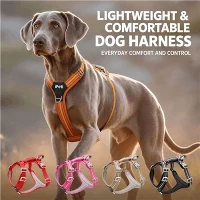
For example, a dog harness may be available in four sizes and five colors.
Depending on the applicable test method and material differences, the laboratory may require additional samples or testing.
However, this does not mean that every size and color must automatically be tested separately.
Some laboratories may allow representative sampling, grouping, or composite testing when the applicable rules and testing methods permit it.
Buyers should confirm these possibilities before approving the quotation.
3. Small Businesses Should Think Carefully Before Paying for Certification
For established brands and large importers, certification and testing expenses may be a relatively small part of their overall business investment.
However, the situation is different for small businesses and new brands.
Imagine a startup planning to sell customized dog collars, leashes, or harnesses online.
The initial order may only be 100 or 200 pieces.
The business still needs to pay for product development, samples, packaging, shipping, marketing, and inventory.
If it also spends a substantial amount on unnecessary certification or testing, the total initial investment can become difficult to justify.
Consider this simplified example:
| Expense | Illustrative amount |
|---|---|
| Initial product inventory | $2,000 |
| Product sampling and development | $300 |
| Customized packaging | $200 |
| Product testing and certification | $1,500 |
| Initial marketing expenses | $500 |
| Total investment | $4,500 |
These figures are hypothetical and do not represent actual laboratory quotations.
In this example, testing and certification account for a significant part of the initial investment.
If the product is a conventional non-electrical pet accessory and the requested certification is not legally required, the buyer should carefully consider whether this expense is commercially justified.
The purpose is not to avoid necessary safety requirements.
It is to avoid paying for documents or testing services that do not provide meaningful legal, technical, or commercial value.
4. Why You Should Not Apply for Every Certification Just Because a Supplier Recommends It
Sometimes buyers receive long lists of recommended certifications from suppliers, agents, testing organizations, or other service providers.
This can create the impression that every listed certificate is necessary before a product can be sold.
That is not always correct.
For example:
A standard dog collar
A conventional textile dog collar generally does not need CE marking simply because it is sold in Europe.
A regular dog leash
A non-electrical nylon leash does not automatically require FCC certification.
A pet bed
An ordinary non-electrical pet bed does not automatically fall under RoHS requirements.
A textile dog harness
A conventional dog harness does not automatically require EMC testing.
However, applicable product safety regulations, chemical restrictions, and market-specific obligations must still be considered.
A supplier or testing organization may recommend additional testing to satisfy a retailer's purchasing policy, provide quality evidence, or reduce product liability risks.
That recommendation should not automatically be interpreted as a legal requirement.
Before paying, ask one simple question:
Is this certification or test legally mandatory for my specific product and destination market, or is it an additional commercial requirement?
This question can help prevent unnecessary spending.
5. Mandatory Compliance and Voluntary Testing Are Not the Same Thing
This is perhaps the most important distinction for small importers.
There are three different situations.
Situation 1: Legally Mandatory Requirements
If a product falls under a specific regulation requiring conformity assessment, certification, testing, or other mandatory documentation, the business must comply regardless of its sales volume.
For example, certain electrical and wireless pet products may fall under relevant EU or US regulatory requirements.
A small order does not create an exemption from applicable laws.
Situation 2: General Product Safety and Chemical Compliance
Some products do not require a specific product certificate but must still comply with applicable safety and chemical regulations.
For example, ordinary pet accessories sold in the EU may be subject to the General Product Safety Regulation (GPSR), while relevant materials may need to comply with REACH restrictions.
These obligations should not be confused with purchasing a third-party certificate.
Situation 3: Voluntary Testing and Commercial Requirements
Some testing is arranged because a buyer wants additional quality assurance or because a retailer requires supporting test reports.
Examples include:
Tensile testing for dog leashes.
Buckle performance testing.
Material composition testing.
Colorfastness testing.
Additional chemical screening.
Retailer-specific quality inspections.
These tests may be useful, but they are not automatically mandatory for every product.
For small businesses, selecting appropriate testing based on actual risks and commercial needs is generally more sensible than purchasing every available service.


6. How Small Pet Brands Can Reduce Certification Expenses
There are several practical ways to manage testing and certification budgets.
1. Identify the Actual Requirements First
Before contacting a testing organization, determine the product type, destination market, materials, and intended use.
Do not request a general package of certificates without understanding whether they apply.
2. Ask for an Itemized Quotation
Request a detailed breakdown showing:
Individual testing items.
Applicable standards and regulations.
Sample requirements.
Documentation fees.
Retesting fees.
Additional service charges.
This makes it easier to identify unnecessary items.
3. Compare Two or Three Qualified Laboratories
Do not select a testing organization based on its brand name alone.
Compare the testing scope, accreditation, report acceptance, turnaround time, and total price.
Most importantly, confirm that the laboratory is accredited or otherwise recognized for the specific test methods required.
A lower quotation is not useful if the laboratory cannot perform the required test or its report is not accepted by the relevant authority or customer.
4. Ask Whether Multiple Product Variations Can Share Testing
If several products use the same materials or components, ask the laboratory whether representative samples or combined testing are permitted.
This may help reduce repeated testing costs.
However, grouping must be technically justified and accepted under the applicable testing method.
5. Start with a Smaller Product Range
For new brands, it may be more practical to launch a limited selection of products rather than immediately developing many colors, sizes, and material combinations.
A smaller product range can simplify compliance assessment, inventory management, and quality control.
6. Prioritize Product Safety Over Unnecessary Certificates
Even if a specific certification is not required, manufacturers should still pay attention to product construction, material quality, stitching, hardware performance, and potential safety hazards.
A properly designed and manufactured product is more valuable than a collection of certificates that do not apply to the product.
7. When Is It Worth Investing in Certification and Testing?
Avoiding unnecessary expenses does not mean that testing is never worthwhile.
There are situations where investing in professional testing makes good business sense.
When selling to large retailers
Established retail chains may have strict supplier approval procedures and require specific testing reports.
When developing your own private-label brand
Independent testing can provide additional confidence in product materials and performance.
When entering a highly regulated product category
Electrical, wireless, battery-powered, and other regulated products may require formal conformity assessment or testing.
When using new or unfamiliar materials
Testing can help identify chemical or mechanical risks before mass production.
When expanding into larger markets
As sales volumes grow, a more comprehensive product compliance and quality management system may become commercially worthwhile.
The right time to invest depends on the product, legal requirements, customer expectations, and business scale.
8. A Practical Certification Strategy for Different Pet Products
The following table provides a general sourcing reference.
| Product | Suggested approach |
|---|---|
| Dog collars | Check general product safety and applicable chemical restrictions |
| Dog leashes | Check material safety and appropriate strength requirements |
| Dog harnesses | Evaluate construction, hardware, stitching, and material safety |
| Pet clothing | Check textile and chemical requirements |
| Pet beds | Check filling, textile materials, and product safety |
| Ordinary pet toys | Evaluate material safety and potential mechanical hazards |
| Pet feeding bowls | Check applicable food-contact material requirements |
| LED pet collars | Assess applicable electrical and EMC requirements |
| GPS pet trackers | Assess radio, electrical, battery, and market-specific requirements |
| Automatic pet feeders | Assess electrical safety, EMC, wireless functions, and applicable material requirements |
This is a preliminary sourcing guide, not a definitive legal compliance checklist. Exact requirements depend on product specifications and destination markets.
9. Final Advice: Spend Money on What Your Business Actually Needs
For small pet brands, importers, and online sellers, every dollar matters.
Before spending hundreds or thousands of dollars on certification and testing, take time to understand what your product actually requires.
Do not assume that every certificate recommended by a supplier or testing organization is legally mandatory.
Do not pay for CE, FCC, RoHS, or other documents simply because another seller has them.
At the same time, never ignore mandatory regulations or genuine product safety risks simply because your initial order is small.
A more practical approach is to:
Identify the applicable regulations for your product and market.
Separate mandatory requirements from voluntary testing.
Compare quotations from qualified testing organizations.
Request only the testing services that are relevant.
Keep appropriate product specifications and compliance documentation.
Increase testing investment as your business and sales volume grow.
The goal is not to spend as little as possible on compliance. The goal is to spend wisely on the compliance measures that actually matter.
10. How iPeti Helps Buyers with Customized Pet Products
At iPeti, we understand that different customers have different budgets, sales channels, and market requirements.
A startup testing a new dog collar collection does not necessarily have the same purchasing requirements as an established international retail brand.
Our product range includes customized dog collars, leashes, harnesses, pet clothing, beds, and selected pet accessories.
We help buyers clarify product specifications, materials, hardware, branding, and packaging before production.
For projects involving specific testing or certification requirements, we encourage buyers to identify the destination market and applicable requirements first.
This helps avoid unnecessary expenses and makes the sourcing process more efficient.
Whether you are launching your first private-label pet product or expanding an existing product range, we welcome the opportunity to discuss your project.
Contact iPeti to discuss your customized pet product requirements and develop a practical sourcing plan for your business.