




Why Dog Collars and Leashes Remain the Core Products of the Global Pet Industry
Every year, the pet industry introduces new technologies, fashionable accessories, smart tracking devices, and innovative training equipment. Yet despite these changes, dog collars and leashes continue to dominate pet retail shelves, online marketplaces, veterinary clinics, pet boutiques, and wholesale distribution channels worldwide.
Why have these seemingly simple products remained essential for decades?
The answer lies in their unique role as both safety equipment and everyday necessities. Unlike many pet accessories that are optional purchases, collars and leashes are products that nearly every dog owner needs from the first day of ownership.
The First Pet Products Most Owners Purchase
When a puppy joins a family, one of the first purchases is typically a collar and leash.
These products serve several immediate purposes:
- Identification support
- Walking and exercise management
- Basic obedience training
- Public safety compliance
- Daily control during outdoor activities
Because of their necessity, collars and leashes enjoy consistent demand regardless of seasonal trends.
A Product Category With Continuous Replacement Demand
Unlike some pet accessories that may last for years without replacement, collars and leashes are subject to regular wear and tear.
Common reasons for replacement include:
- Puppy growth
- Material aging
- Hardware wear
- Fashion and style updates
- Seasonal product changes
- This creates a steady purchasing cycle that benefits retailers, distributors, and wholesalers.
Safety Is Still the Primary Purchasing Driver
Many pet owners initially focus on appearance, but safety remains the deciding factor for most purchases.
- A properly designed collar and leash system helps:
- Prevent accidental escapes
- Improve walking control
- Increase visibility during outdoor activities
- Support responsible pet ownership
- For active dogs, durable hardware and reinforced stitching are often more important than decorative elements.
Why Retailers Continue to Prioritize This Category
- From a business perspective, collars and leashes offer several advantages:
-
Broad Customer Base
- Every dog owner requires these products.

Multiple Price Segments
- The market includes:
- Entry-level products
- Premium lifestyle collections
- Heavy-duty working dog equipment
- Luxury designer collections
Strong Cross-Selling Opportunities
- Collars and leashes are frequently sold alongside:
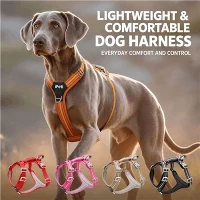
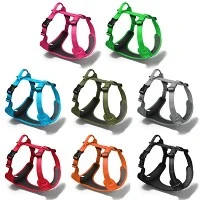
- Dog harnesses
- Bandanas
- Poop bag dispensers
- Training accessories
- Pet apparel
- This increases average order value for retailers.
How Product Innovation Keeps the Category Growing

Although collars and leashes are traditional products, manufacturers continue to innovate through:
New Materials
- Waterproof coated webbing
- Recycled polyester
- Reflective fabrics
- Lightweight hardware systems
Improved Safety Features
- Quick-release buckles
- Dual D-ring systems
- Reflective stitching
- Locking clips
Custom Branding Options
- Heat transfer printing
- Woven labels
- Embroidery
- Laser engraving
These developments allow brands to create differentiated products while serving the same fundamental market need.
Why OEM and Private Label Demand Continues to Increase
As pet brands seek greater differentiation, many are turning to OEM and private label manufacturing.
Custom collars and leashes allow businesses to:
- Establish unique brand identities
- Control product specifications
- Improve profit margins
- Reduce direct price competition
Because collars and leashes are purchased frequently, they often become the foundation of a private-label pet product strategy.
Recommended Products from iPeti®

Custom Dog Collar Collection
Available with printed webbing, woven labels, embroidery, and custom hardware finishes.

Premium Dog Leash Series
Designed for daily walking, training, and outdoor adventures with reinforced construction.

Matching Collar, Harness & Leash Sets
Coordinated product lines created for retailers seeking complete branded collections.
The Future of Dog Collars and Leashes
Smart pet devices and wearable technology may continue to grow, but collars and leashes are unlikely to lose their position in the market.
Even the most advanced GPS tracker, activity monitor, or smart tag still requires a collar or attachment system.
As long as dogs need safe outdoor control and identification, collars and leashes will remain indispensable products.
Frequently Asked Questions
Q1: Why are collars and leashes considered essential pet products?
They are required for identification, walking control, training, and public safety. Most dog owners purchase them immediately after bringing home a new dog.
Q2: How often should dog collars and leashes be replaced?
Replacement depends on usage, but products should be inspected regularly for frayed webbing, damaged stitching, worn buckles, or hardware corrosion.
Q3: Are harnesses replacing collars?
No. Harnesses and collars often serve different purposes and are frequently used together as part of a complete walking system.
Q4: Why do pet brands focus heavily on custom collars and leashes?
These products have consistent demand, broad market appeal, and strong opportunities for brand differentiation through customization.
Q5: What features do modern consumers look for in collars and leashes?
Durability, comfort, safety, reflective elements, waterproof materials, and personalized designs are among the most requested features.