


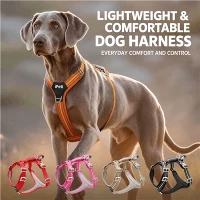
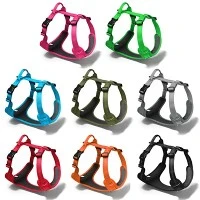


Durability is one of the most critical factors when selecting or manufacturing a dog harness. For pet brands, wholesalers, and private-label buyers, choosing the right materials directly impacts product lifespan, customer satisfaction, and brand reputation.
But what materials truly deliver long-term durability without sacrificing comfort?
This guide breaks down the best materials used in high-quality dog harness production and explains how professional OEM manufacturers ensure strength and reliability.
1. Nylon – The Industry Standard for Strength
Nylon remains one of the most widely used materials in dog harness manufacturing.
Why Nylon Is Popular:
- High tensile strength
- Lightweight yet durable
- Resistant to abrasion
- Cost-effective for bulk production
- Easy to dye and customize
High-density woven nylon webbing is particularly suitable for everyday harnesses and tactical designs.
For heavy-duty applications, reinforced double-layer nylon is often used to enhance load-bearing capacity.
Best for:
✔ Medium to large dogs
✔ Everyday walking harnesses
✔ Private-label bulk orders
2. Polyester – Better UV & Weather Resistance
Polyester webbing is another strong contender, especially for outdoor or high-exposure environments.
Advantages of Polyester:
Better UV resistance than nylon
Less water absorption
Maintains shape under wet conditions
Good color retention
While slightly less elastic than nylon, polyester performs well in humid or rainy climates.
Best for:
✔ Outdoor adventure harnesses
✔ Coastal or high-humidity markets
✔ Reflective or printed designs
3. Neoprene – Comfort Padding Layer
Neoprene is commonly used as an inner padding layer rather than the main structural material.
Why Neoprene Is Important:
Soft and breathable
Reduces friction and skin irritation
Adds comfort around chest and neck
Quick-drying
High-quality harnesses combine durable webbing outside with neoprene padding inside for maximum comfort.
Best for:
✔ Premium harness lines
✔ Long-wear comfort designs
✔ Sensitive-skin dogs
4. Oxford Fabric – Heavy-Duty Outer Shell
Oxford fabric is often used in tactical or heavy-duty harnesses.
Key Benefits:
Thick woven structure
Tear-resistant
Suitable for reinforced stitching
Professional appearance
When paired with reinforced nylon webbing and metal hardware, Oxford-based harnesses offer superior durability.
Best for:
✔ Large or strong dogs
✔ Working or training harnesses
✔ Tactical-style products
5. Hardware Materials – Often Overlooked but Critical
Even the strongest webbing will fail if hardware is weak.
Common Hardware Options:
Zinc Alloy (Coated):
Cost-effective
Suitable for small to medium dogs
Stainless Steel:
Rust-resistant
Stronger under tension
Ideal for export markets
Aluminum Alloy (Aviation Grade):
Lightweight
High strength
Premium positioning
For durability-focused harnesses, reinforced D-rings and heavy-duty buckles are essential.
6. Stitching & Reinforcement Matter as Much as Material
Material selection alone does not guarantee durability.
Professional manufacturers improve strength through:
Box stitching reinforcement
Cross-pattern stitching
Bartack reinforcement points
Double-layer webbing integration
Load-bearing test standards are typically applied to ensure tensile strength meets export requirements.
7. Material Combinations for Maximum Durability
The most durable dog harnesses usually combine:
Outer layer: High-density nylon or Oxford fabric
Inner padding: Neoprene
Hardware: Stainless steel or reinforced alloy
Reinforcement: Double stitching + bartack
This combination ensures:
Strength
Comfort
Weather resistance
Long-term performance