


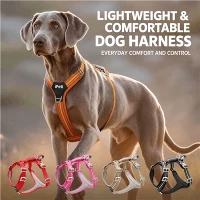
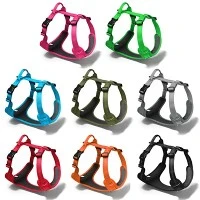


China remains the world's leading manufacturing hub for pet products, supplying dog harnesses, collars, leashes, toys, bedding, and accessories to global brands. For pet brands, wholesalers, and importers, working with a reliable pet products manufacturer in China can significantly reduce costs, increase customization flexibility, and accelerate time to market.
However, choosing the wrong supplier can lead to quality issues, compliance risks, delayed shipments, and long-term brand damage. This guide is designed for B2B buyers who want to source pet products from China safely, efficiently, and at scale.
Drawing on real manufacturing and OEM/ODM experience, we'll walk you through how to evaluate, compare, and select the right pet products manufacturer-from factory capability and materials to quality control and communication.
Why China Is the Leading Pet Products Manufacturing Hub
China's dominance in pet product manufacturing is not accidental. It's the result of decades of supply chain optimization and industrial specialization.
Key Advantages of Chinese Pet Products Manufacturers
Complete supply chain: From fabrics, plastics, metal hardware, and packaging to printing and labeling
OEM & ODM expertise: Strong experience supporting private label pet brands
Cost efficiency: Competitive pricing without sacrificing scalability
Customization flexibility: Materials, colors, sizing, logos, and packaging
Export experience: Familiarity with US, EU, UK, and Australian markets
For brands looking to scale, China offers unmatched production depth-but only if you choose the right partner.
OEM vs ODM: Understanding the Manufacturing Models
Before contacting suppliers, it's critical to understand the difference between OEM and ODM manufacturing.
OEM (Original Equipment Manufacturer)
You provide designs, specs, and branding
Manufacturer produces exactly to your requirements
Best for established brands with in-house product development
ODM (Original Design Manufacturer)
Manufacturer provides existing designs or modifies them
Faster time to market
Ideal for startups or brands expanding product lines quickly
A reliable pet products manufacturer should offer both OEM and ODM solutions, allowing you to scale as your brand evolves.
Core Product Categories to Evaluate
Not all pet product factories are equal. Many specialize in specific categories.
When evaluating a supplier, confirm their core manufacturing focus, such as:
Dog harnesses (nylon, polyester, mesh, padded)
Dog collars and leashes
Pet apparel and accessories
Chew toys and enrichment products
Pet bedding and soft goods
A manufacturer with deep specialization in your product category will deliver better quality, consistency, and innovation.
Materials and Component Quality
Material choice directly impacts safety, durability, and customer satisfaction.
Key Materials to Review
Webbing: Nylon vs polyester (tensile strength, colorfastness)
Padding: EVA, neoprene, foam density
Hardware: Zinc alloy, stainless steel, plastic buckles
Stitching: Reinforcement points, bar-tack stitching
Eco options: Recycled fabrics, biodegradable packaging
Ask suppliers to provide material datasheets, samples, and test reports-not just photos.
Quality Control Systems: What to Look For
Quality control is one of the most critical indicators of a reliable manufacturer.
A Professional QC Process Should Include
Incoming material inspection
In-line production checks
Final random inspection (AQL standards)
Tensile and load testing (especially for harnesses and leashes)
Colorfastness and wear testing
MOQ, Pricing, and Cost Transparency
Low price alone should never be your main decision factor.
What to Evaluate Instead
MOQ flexibility for initial orders
Price breakdown (materials, labor, packaging)
Sampling costs and lead time
Tooling or mold fees (if applicable)
Payment terms (30/70, TT, LC)
A trustworthy manufacturer explains costs clearly and avoids vague pricing.
Production Capacity and Lead Time
Scaling your business depends on your supplier's capacity.
Ask direct questions:
Monthly production volume
Peak season lead times
Ability to handle repeat orders
Backup plans for raw material shortages
A factory that can only handle small orders may become a bottleneck as your brand grows.
Communication and Project Management
Many sourcing failures stem from poor communication.
A reliable manufacturer will:
Respond clearly and promptly
Assign a dedicated project manager
Provide production updates and photos
Confirm specs before mass production
Clear communication saves time, money, and frustration-especially across time zones.
Factory Audits and Verification
Whenever possible, verify your supplier.
Recommended Verification Methods
Video factory tour
Third-party audits (SGS, TUV, BV)
Sample order before bulk production
Reference clients or case studies
Professional manufacturers welcome audits-they have nothing to hide.
Red Flags to Avoid
Watch out for these warning signs:
Unrealistically low pricing
Refusal to provide samples
No clear QC process
Poor English communication
Frequent spec misunderstandings
If something feels off early, it usually gets worse later.
Why Long-Term Partnerships Matter
The best B2B results come from long-term manufacturer relationships, not one-off transactions.
Reliable partners help you:
Improve product design
Optimize costs over time
Launch new SKUs faster
Maintain consistent quality
This is where real brand value is built.
Final Checklist: Choosing the Right Pet Products Manufacturer
Before making a final decision, confirm:
✔ Proven experience in your product category
✔ OEM/ODM capability
✔ Transparent pricing
✔ Strong QC system
✔ Compliance knowledge
✔ Clear communication
If all boxes are checked, you've likely found a reliable partner.