




How to Evaluate and Partner with a High-Quality Pet Product Manufacturer
Introduction
Choosing the right pet product manufacturer is one of the most important decisions for pet brands, wholesalers, distributors, and e-commerce sellers. A reliable manufacturing partner can help improve product quality, shorten development cycles, reduce supply chain risks, and support long-term business growth.
However, many buyers focus only on pricing and minimum order quantities when selecting suppliers. While cost is important, it should never be the sole factor. A low-cost supplier that delivers inconsistent quality, poor communication, or delayed shipments can ultimately cost far more in lost customers and damaged brand reputation.
This guide explains how to evaluate a pet product manufacturer, what warning signs to watch for, and how to build a successful long-term partnership.
Why Choosing the Right Manufacturer Matters
The global pet industry continues to expand as pet ownership increases and consumers demand higher-quality products.
Today's customers expect:
- Durable materials
- Safe construction
- Consistent quality
- Attractive designs
- Reliable product performance
A manufacturer's capabilities directly influence whether your products meet these expectations.
Step 1: Assess Industry Experience
Not all manufacturers specialize in pet products.
A factory experienced in pet accessories will better understand:
- Pet safety requirements
- Product testing standards
- Material suitability
- Market trends
- Breed-specific considerations
Ask potential suppliers about:
- Years of experience
- Product categories produced
- Export markets served
- Existing OEM and ODM projects
Manufacturers with proven industry knowledge typically encounter fewer production issues.
Step 2: Evaluate Product Quality Control Systems
Quality control should be built into every stage of production.
A professional manufacturer usually implements:
Incoming Material Inspection
Checking fabrics, webbing, hardware, and packaging materials before production begins.
In-Process Inspection
Monitoring production consistency throughout manufacturing.
Final Product Inspection
Verifying appearance, functionality, measurements, and packaging before shipment.
Factories with documented quality procedures often provide more reliable results over time.
Step 3: Examine Manufacturing Capabilities
Production capability affects both scalability and delivery reliability.
Important factors include:
- Production equipment
- Assembly capacity
- Printing capabilities
- Sewing technology
- Hardware integration
For custom projects, strong manufacturing capabilities provide greater flexibility and faster development.
Step 4: Review Product Testing Standards
Pet products frequently perform safety-related functions.
Ask whether the manufacturer conducts:
Tensile Strength Testing
Especially important for dog leashes, collars, and harnesses.
Abrasion Testing
Evaluates durability under repeated use.
Hardware Performance Testing
Verifies buckle and connector reliability.
Colorfastness Testing
Important for printed and dyed materials.
Testing procedures demonstrate a commitment to long-term product quality.
Step 5: Assess Customization Capabilities
Private-label brands increasingly require unique product differentiation.
A capable manufacturer should offer:
- Custom logo application
- Pantone color matching
- Custom packaging
- Printed patterns
- Exclusive product designs
The ability to customize efficiently often becomes a major competitive advantage.
Step 6: Evaluate Communication Efficiency
Strong communication is often overlooked during supplier selection.
Reliable manufacturers typically:
- Respond promptly
- Provide clear production updates
- Offer technical guidance
- Address issues proactively
Communication quality often predicts how smoothly future projects will proceed.
Step 7: Request Samples Before Large Orders
Samples provide valuable insight into:
- Material quality
- Workmanship
- Fit and finish
- Packaging standards
- Product functionality
Testing samples before placing bulk orders can prevent costly mistakes.
Common Warning Signs When Selecting a Manufacturer
Be cautious if a supplier:
- Cannot explain quality procedures
- Offers unusually low pricing
- Has inconsistent communication
- Refuses sample requests
- Lacks customization capabilities
- Cannot provide production details
These issues may indicate future reliability concerns.
Building a Long-Term Manufacturing Partnership
The best supplier relationships extend beyond individual purchase orders.
Successful partnerships are built on:
- Consistent quality
- Transparency
- Mutual growth
- Product innovation
- Reliable delivery performance
Manufacturers that understand your brand goals often become valuable long-term partners rather than simple vendors.
Recommended Products from iPeti®
Custom Dog Harness Manufacturing
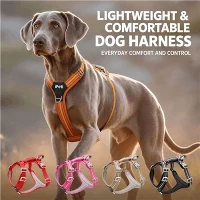
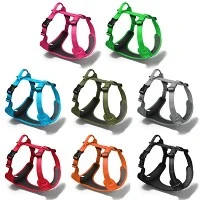
iPeti® offers OEM and ODM dog harness production with custom branding, reinforced construction, and flexible design options for global pet brands.


Premium Dog Collar and Leash Sets
Developed for retailers, distributors, and private-label businesses seeking durable materials, attractive packaging, and consistent manufacturing quality.


Why Many Pet Brands Choose iPeti®

As a specialized pet product manufacturer, iPeti® supports customers through every stage of product development, from concept design and material selection to production and packaging.
Key advantages include:
OEM and ODM services
Custom logo and packaging solutions
Multiple pet product categories
Strict quality inspection procedures
Global export experience
By focusing on long-term cooperation rather than short-term transactions, iPeti® helps customers build reliable and scalable product lines.
Frequently Asked Questions
What should I look for in a pet product manufacturer?
Industry experience, quality control systems, testing capabilities, customization options, and communication efficiency.
Why is quality control important?
Consistent quality helps reduce returns, improve customer satisfaction, and protect brand reputation.
Should I request samples before ordering?
Yes. Samples help verify product quality and manufacturing standards before committing to larger orders.
What is the difference between OEM and ODM manufacturing?
OEM products are manufactured according to your specifications, while ODM products are based on the manufacturer's existing designs.
Can pet products be customized?
Yes. Many manufacturers offer custom branding, packaging, materials, and design modifications.
Conclusion
Selecting a pet product manufacturer is about far more than finding the lowest price. Quality systems, manufacturing expertise, testing capabilities, and communication standards all play a critical role in long-term success.
Businesses that invest time in evaluating suppliers carefully are more likely to build reliable supply chains, strengthen brand reputation, and achieve sustainable growth in the competitive pet industry.
For companies seeking a dependable manufacturing partner, focusing on quality, transparency, and customization capabilities will deliver greater value over time than price alone.