




Introduction: Why This Decision Matters More Than Most Buyers Think
In the global pet industry, product development is no longer just about manufacturing capacity. It is about speed to market, brand differentiation, and supply chain control.
For importers, wholesalers, and private label pet brands, one of the earliest and most important decisions is choosing between OEM and ODM manufacturing models.
This choice directly affects:
- Product uniqueness
- Development cost
- Time to market
- Brand positioning
- Long-term scalability
However, many buyers misunderstand the real difference between OEM and ODM, often treating them as interchangeable terms. In practice, they represent two very different sourcing strategies.
Understanding OEM in Real-World Pet Product Sourcing
OEM (Original Equipment Manufacturing) is best understood as a brand-driven production model.
In this setup, the buyer provides the product concept, technical requirements, and branding direction. The factory is responsible for turning that concept into a finished product.
In the pet industry, OEM is commonly used for:
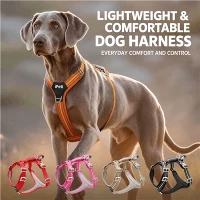
- Custom dog harness systems
- Private label dog collars
- Branded leash collections
- Tactical pet gear
- Multi-piece walking sets
What makes OEM powerful is not just customization-it is exclusivity. The product is designed to belong to one brand in the market.
However, OEM requires:
- Clear product planning
- Higher development investment
- Longer sampling cycles
- Stronger decision-making from the buyer
It is usually preferred by established brands or companies building long-term product identity.
What ODM Really Means in Pet Manufacturing
ODM (Original Design Manufacturing) is often misunderstood as "simple customization," but in reality it is a market-ready product framework provided by the factory.
Instead of starting from scratch, buyers select from existing product structures and adjust key elements such as:
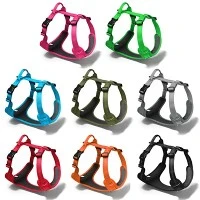
- Color combinations
- Logo placement
- Packaging design
- Hardware finishes
- Material upgrades
ODM is widely used in fast-moving pet markets where speed is more important than deep customization.
Typical ODM pet products include:
- Standard dog harness models
- Everyday dog collars
- Rope and nylon leashes
- Travel pet accessories
- Seasonal product collections
For many Amazon sellers and distributors, ODM provides a practical way to enter the market without heavy development costs.
OEM vs ODM: The Real Difference Is Strategy, Not Manufacturing
Most comparisons focus only on production differences. In reality, the key difference is business strategy.
| Factor | OEM | ODM |
|---|---|---|
| Product Ownership | Full brand ownership | Shared base design |
| Time to Market | Longer | Faster |
| Cost Structure | Higher upfront cost | Lower entry cost |
| Brand Differentiation | Strong | Moderate |
| Flexibility | High but complex | Limited but efficient |
Instead of asking "which is better," experienced buyers usually ask:
Do I need speed or uniqueness?
Am I testing the market or building a long-term brand?
Do I have a stable sales channel already?
How Successful Pet Brands Actually Use OEM and ODM Together
In real supply chains, most successful pet brands do not choose only one model.
Instead, they combine both:
ODM for fast-moving products
Used to test demand, seasonal trends, and pricing strategy.
OEM for core product lines
Used to build brand identity and long-term differentiation.
For example:
ODM: basic dog leash collections for Amazon listings
OEM: premium harness systems with custom structure and branding
This hybrid strategy reduces risk while maintaining growth flexibility.
What Buyers Often Overlook When Choosing a Manufacturer
Choosing between OEM and ODM is only part of the decision. The real success factor is the manufacturer's capability.
A strong pet product manufacturer should offer:
- Stable material sourcing (nylon, PVC, mesh, neoprene, etc.)
- Consistent stitching and assembly quality
- Hardware durability testing
- Packaging engineering for retail and e-commerce
- Flexible MOQ options for different product lines
- Export experience for international markets
Without these capabilities, even a well-designed OEM or ODM product can fail in real-world retail conditions.
Product Categories Where OEM & ODM Are Most Common
In today's pet market, customization demand is strongest in the following categories:
Dog Harness Systems
No-pull, adjustable, and outdoor harness designs remain one of the fastest-growing segments.
Dog Collars
From basic nylon collars to waterproof PVC and padded neoprene styles, customization is widely used for branding.
Dog Leashes
Rope leashes, reflective leashes, and hands-free systems are key ODM/OEM products.
Matching Walking Sets
Bundled harness + collar + leash systems help brands improve retail value and visual identity.


Recommended OEM & ODM Pet Products from iPeti®
As a professional pet product manufacturer, iPeti® supports global brands with scalable OEM and ODM solutions across multiple product categories.
Custom Dog Harness Systems
Designed for daily walking and outdoor use, these harnesses support full OEM customization including structure, materials, and branding elements.
Private Label Dog Collar Collections
Available in nylon, PVC-coated, and padded styles, suitable for both ODM fast launch and OEM brand development projects.
Dog Leash Manufacturing
Includes rope leashes, reflective leashes, and adjustable walking systems designed for retail and wholesale distribution.
Why OEM & ODM Decisions Directly Impact Brand Growth
In the pet industry, product quality alone is no longer enough.
Brands compete on:
- Speed of product iteration
- Visual identity consistency
- Supply chain reliability
- Retail presentation quality
OEM and ODM decisions determine how efficiently a company can scale from a single product into a full category portfolio.
Frequently Asked Questions
What is the main difference between OEM and ODM pet products?
OEM is fully custom-made based on buyer specifications, while ODM is based on factory-developed designs with customization options.
Which is better for new pet brands?
ODM is usually better for market entry, while OEM is better for long-term brand building.
Can I use both OEM and ODM at the same time?
Yes. Many successful brands use ODM for standard products and OEM for flagship items.
Does OEM always cost more than ODM?
Generally yes, due to development time and tooling requirements.
Does iPeti support both OEM and ODM manufacturing?
Yes. iPeti provides OEM and ODM services for dog collars, harnesses, leashes, and complete pet walking systems.
Final Thoughts
OEM and ODM are not just manufacturing choices-they are strategic decisions that shape how a pet brand enters, competes, and grows in the global market.
The most successful companies are not those that choose one model, but those that understand when to use each one.