




- In the pet accessories industry, "high quality" is one of the most commonly used phrases-and also one of the most misunderstood.
- Nearly every supplier claims their dog collars, leashes, and harnesses are durable, safe, and premium. Yet in real-world use, the difference between products can be significant.
- For pet brands, wholesalers, and retailers, understanding what truly defines quality is essential-not just for customer satisfaction, but also for reducing returns, protecting brand reputation, and maintaining long-term competitiveness.
- This article breaks down what actually matters behind high-quality pet walking gear and how professional buyers evaluate it in real sourcing decisions.
Why "High Quality" Is No Longer Just a Marketing Term
Pet owners today are more informed than ever.
They no longer rely solely on product descriptions or packaging claims. Instead, they evaluate:
- Real usage experience
- Material performance over time
- Safety during outdoor activity
- Hardware reliability
- Stitching and construction strength
- Brand reputation and reviews
- This shift has forced the entire industry to move beyond surface-level quality claims.
A product that looks good in photos is no longer enough. It must perform consistently in daily use.
What Defines a High-Quality Dog Collar?
A well-made dog collar is not just about appearance. It is a combination of engineering, material selection, and manufacturing precision.
Key factors include:
1. Webbing Strength and Material Stability
High-quality collars typically use tightly woven nylon or polyester webbing that resists:
- Fraying
- Stretching
- Moisture damage
- Color fading
Consistency in material thickness is critical for long-term durability.
2. Hardware Reliability
- Buckles, D-rings, and adjustment sliders must withstand repeated stress.
- Common materials include zinc alloy or stainless steel, chosen for their balance of strength and corrosion resistance.
- Weak hardware is one of the most common failure points in low-quality products.
3. Stitching Reinforcement
- Critical stress areas-especially near D-rings-require reinforced stitching.
- Double or triple stitching significantly improves load-bearing capacity and reduces risk of breakage.
What Makes a Dog Leash Truly Durable?
A leash is constantly under tension, making it one of the most safety-sensitive pet accessories.
High-quality leashes typically feature:
Comfortable Grip Design
Soft padding or ergonomic handles reduce hand strain during long walks.
Strong Core Construction
The internal structure must resist pulling force from large or active dogs.
Secure Hardware Connection
Carabiner-style clips or heavy-duty snap hooks ensure reliable attachment to collars or harnesses.
Weather Resistance
Outdoor use requires materials that perform well in rain, heat, and cold conditions.
A leash failure is not just a product issue-it can become a safety risk.
Why Dog Harness Quality Matters Even More
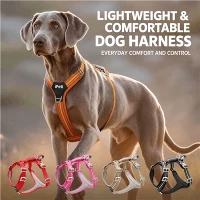
Among all walking accessories, harnesses require the most complex design considerations.
A properly designed harness should distribute pressure evenly across the dog's body without restricting movement.
Key quality elements include:
Ergonomic Structure
A good harness avoids pressure on the neck and instead distributes force across the chest and shoulders.
Escape Resistance
Poorly designed harnesses may allow dogs to slip out, especially during sudden movement.
Adjustability
Multiple adjustment points ensure proper fit across different body shapes.
Breathable Padding
Comfort during long walks depends heavily on airflow and soft contact surfaces.
Harnesses are often considered the most technical product in the walking gear category.
The Hidden Difference Between Average and Premium Products
At first glance, many pet accessories look similar.
However, long-term performance differences usually come from:
- Material consistency across production batches
- Precision in cutting and stitching
- Hardware sourcing standards
- Quality control at multiple stages
- Assembly accuracy
This is why professional buyers rarely evaluate products based only on samples. They assess production stability at scale.
Why Quality Control Determines Brand Success
In global pet retail, quality inconsistency is one of the fastest ways to damage brand reputation.
Common issues include:
- Stitching failure after repeated use
- Buckle breakage under pressure
- Color mismatch between batches
- Size inconsistency
- Hardware rust or corrosion
Each of these problems can lead to returns, negative reviews, and retailer dissatisfaction.
For brands operating in competitive markets, consistency is often more important than unit cost.
How Professional Buyers Evaluate Pet Product Quality
Experienced importers and distributors typically focus on:
Load Testing Results
Ensuring collars and leashes meet required tensile strength standards.
Production Repeatability
Whether the 100th piece matches the first approved sample.
Material Traceability
Understanding where materials come from and how they are processed.
Packaging Consistency
Especially important for retail-ready private label products.
These factors often determine supplier selection more than price alone.
Where High-Quality Pet Products Create Business Value
For pet brands and retailers, product quality directly affects:
- Customer retention rates
- Brand reputation
- Return and refund costs
- Retailer trust
- Long-term profitability
A well-made product does more than perform-it strengthens the entire brand ecosystem.
Product Categories That Require the Highest Quality Standards
Some categories are particularly sensitive to quality variation:
Dog Collars
- High visibility and daily use make durability essential.
Dog Leashes
Constant tension requires strong hardware and stitching.
Dog Harnesses
- Complex structure and safety function demand precise engineering.
- These three categories form the core of most professional pet walking collections.
How iPeti® Ensures Consistency in Manufacturing
At iPeti®, quality control is integrated into every stage of production rather than treated as a final step.
Our process includes:
- Incoming material inspection
- In-line production monitoring
- Hardware strength verification
- Stitching consistency checks
- Final product inspection before shipment
This layered approach helps maintain consistency across large-scale OEM and private label orders.
Recommended Product Categories for Pet Brands
For companies building or expanding their product lines, these categories consistently perform well in global markets:
Custom Dog Collars
Suitable for private label branding, seasonal collections, and retail expansion.


Tactical Dog Harnesses
Designed for outdoor, training, and active lifestyle markets.


Matching Dog Collar and Leash Sets
Popular in retail environments due to strong visual merchandising appeal.
These categories also allow brands to maintain consistent quality standards while expanding product lines.


Final Thoughts
- High-quality pet accessories are not defined by appearance alone.
- They are defined by performance, consistency, and reliability over time.
- For pet brands and distributors, understanding the real factors behind product quality is essential for building long-term success in a competitive global market.
- In the end, customers do not remember specifications-they remember experiences.
- And those experiences are determined by quality.