




OEM vs ODM in Pet Products: Which Model Fits Your Brand Strategy?
Introduction
When developing a new line of pet products, one of the first decisions brands face is choosing between OEM and ODM manufacturing.
Although these two terms are often used interchangeably, they represent very different approaches to product development, customization, and brand control.
For importers, wholesalers, and private label brands, selecting the right model can directly influence product uniqueness, production efficiency, and long-term competitiveness in the market.
What Is OEM in Pet Product Manufacturing?
OEM (Original Equipment Manufacturing) refers to a production model where the buyer provides the design, and the factory manufactures the product based on those specifications.
In this model, the brand has full control over:
- Product structure and dimensions
- Material selection
- Color and design requirements
- Packaging and branding
- Product positioning
OEM is commonly used by established brands that already have product concepts or design direction.
It allows strong brand differentiation but usually requires more development input from the buyer.
What Is ODM in Pet Product Manufacturing?
ODM (Original Design Manufacturing) refers to a model where the factory provides ready-made or semi-developed product designs, which the buyer can customize and brand.
In this case, the manufacturer is responsible for:
- Product design and structure
- Prototype development
- Material combinations
- Production-ready solutions
- The buyer typically focuses on:
- Logo customization
- Color selection
- Packaging design
- Brand positioning
ODM is widely used by new brands or companies looking to enter the market quickly without investing heavily in product development.
OEM vs ODM: Key Differences That Matter
| Aspect | OEM Model | ODM Model |
|---|---|---|
| Design ownership | Buyer | Factory |
| Development time | Longer | Faster |
| Customization level | High | Moderate |
| Upfront investment | Higher | Lower |
| Ideal for | Established brands | New or growing brands |
| Product uniqueness | Fully customized | Semi-customized |
Understanding these differences helps brands choose a model that aligns with their business stage.
Which Model Should Pet Brands Choose?
The choice between OEM and ODM depends largely on business goals and market strategy.
Choose OEM if you want:
- Fully unique product designs
- Strong brand differentiation
- Long-term product line development
- Control over every detail of production
Choose ODM if you want:
- Faster market entry
- Lower development cost
- Ready-to-market product options
- Reduced design complexity
Many successful pet brands actually use a hybrid approach-starting with ODM for speed, then shifting to OEM for differentiation.
Common Mistakes Buyers Make When Choosing OEM or ODM
Many first-time importers misjudge the manufacturing model, leading to unnecessary cost or delays.
Typical mistakes include:
- Choosing OEM without clear product direction
- Expecting full customization in ODM projects
- Ignoring MOQ structure differences
- Underestimating development lead time
- Focusing only on price instead of scalability
A clear understanding of production strategy helps avoid these issues.
How Manufacturing Models Affect Pet Product Categories
Different pet products often require different manufacturing approaches:
- Dog collars: both OEM and ODM widely used
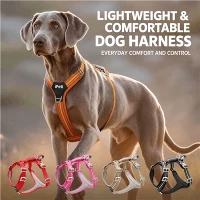
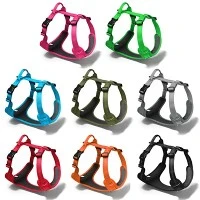
- Dog harnesses: OEM preferred for structural innovation
- Dog leashes: ODM common for standard models
- Pet beds: ODM for standard shapes, OEM for premium designs
Choosing the right model depends on product complexity and target market positioning.
Recommended Manufacturing Solutions from iPeti®
As a professional OEM and ODM pet product manufacturer, iPeti® supports global brands with flexible production solutions across multiple categories.
Custom Dog Harness Systems
Fully customizable harness designs with options for material selection, structure adjustment, and private label branding.


ODM Dog Collar Collections
Ready-to-market collar designs with fast customization options, suitable for brands entering the pet accessories market quickly.


Frequently Asked Questions
What is the main difference between OEM and ODM?
OEM is buyer-designed production, while ODM is factory-designed with customization options.
Which is more cost-effective, OEM or ODM?
ODM is usually more cost-efficient for small or new brands, while OEM provides better long-term brand differentiation.
Can a company use both OEM and ODM?
Yes. Many brands start with ODM products and gradually transition into OEM development.
Does OEM require higher MOQ?
In most cases, yes, because OEM involves customized production setups and tooling.
Does iPeti support both OEM and ODM production?
Yes. iPeti provides flexible OEM and ODM manufacturing services for dog collars, harnesses, leashes, and other pet accessories.
Final Thoughts
OEM and ODM are not competing models-they are different strategies for different stages of brand development.
Understanding when to use each model allows pet brands to balance speed, cost, and uniqueness more effectively.