




How Pet Product Design Impacts Consumer Trust in the Global Pet Industry
In the pet industry, product design is no longer just about appearance.
It directly influences how consumers evaluate quality, safety, and brand credibility-often within the first few seconds of viewing a product.
For pet owners, trust is built visually before it is built through experience. This makes design one of the most powerful factors in purchasing decisions.
First Impressions Determine Buying Confidence
When consumers see a pet product for the first time, they subconsciously evaluate:
- Material quality
- Structural strength
- Safety reliability
- Brand professionalism
Even before reading specifications, visual design communicates whether a product feels premium or low-quality.
Functional Design Builds Long-Term Trust
Trust is not only created by aesthetics but also by how well a product performs in daily use.
A well-designed pet product typically demonstrates:
- Balanced structure for comfort and control
- Reinforced stress points for durability
- Logical usability for pet owners
- Consistency across product batches
When design aligns with real functionality, consumer confidence increases significantly.
Material Selection Influences Perceived Quality
Consumers often associate material appearance with product reliability.
Common design-driven material choices include:
- High-density woven webbing for durability
- Soft padded materials for comfort perception
- Reflective elements for safety visibility
- Coated materials for weather resistance
Even small material improvements can strongly impact perceived value.
Structural Design Reflects Brand Positioning
A product's structure communicates its market level.
For example:
- Lightweight simple designs often signal entry-level positioning
- Reinforced multi-layer structures suggest professional-grade quality
- Integrated safety features indicate premium product lines
- Design consistency helps brands establish clear market identity.
Packaging Design Also Builds Trust Before Use
In many cases, packaging is the first physical interaction between consumer and product.
Effective packaging design can:
- Strengthen brand recognition
- Improve perceived product value
- Enhance unboxing experience
- Communicate professionalism and reliability
For wholesale and retail markets, packaging often influences repeat orders.
Why Design Consistency Matters for Global Brands
In international markets, inconsistent product design can reduce trust quickly.
Buyers expect:
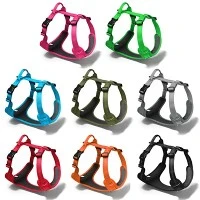
- Uniform color matching
- Stable product quality across batches
- Consistent branding elements
- Reliable production standards
Consistency is often more important than innovation in building long-term trust.
How OEM Design Strengthens Brand Credibility
OEM manufacturing allows brands to control design direction while maintaining production efficiency.
This helps businesses:
- Develop unique visual identity
- Maintain quality consistency
- Differentiate from competitors
- Build long-term customer loyalty
Design becomes a strategic business tool rather than just a visual element.
Recommended Design-Focused Pet Product Solutions from iPeti®
Custom Dog Collar & Leash Design Systems
Focused on visual branding consistency, material selection, and structural durability.


Premium OEM Pet Accessories Series
Designed for brands that prioritize both aesthetics and functional performance.


Private Label Dog Walking Sets
Integrated design systems for collars, leashes, and harnesses with unified branding.


Final Insight
Pet product design is not only about making products look good.
It is about building trust before the product is even used.
In a competitive global market, design is often the first signal of quality-and the foundation of long-term consumer confidence.
Frequently Asked Questions
Q1: Why does product design affect consumer trust in pet products?
Because consumers often judge quality visually before purchase, design becomes the first indicator of safety and reliability.
Q2: What design factors influence perceived quality the most?
Material choice, structural strength, color consistency, and overall finishing are the most influential factors.
Q3: Is functional design more important than visual design?
Both are important, but functional design ultimately determines long-term user satisfaction and trust.
Q4: How does packaging affect consumer perception?
Packaging shapes first impressions and can significantly increase perceived product value and brand professionalism.
Q5: Why do OEM products help build stronger brand trust?
OEM allows brands to control design consistency, quality standards, and branding elements across all product lines.