





In the pet industry, growth is rarely limited by demand.
Most pet brands, wholesalers, and distributors already have access to customers. The real challenge is building a supply chain that can consistently support that growth.
As product lines expand, order volumes increase, and retail channels diversify, sourcing becomes more complex and more sensitive to risk.
A reliable manufacturing partner is often what separates brands that scale smoothly from those that struggle with instability.
Why Supply Chain Stability Matters More Than Ever
Modern pet businesses operate in a fast-moving environment.
Retailers expect:
- Shorter lead times
- Consistent product availability
- Stable quality across batches
- Flexible customization options
- At the same time, end consumers expect higher product standards and more design variety.
This creates pressure across the entire supply chain.
A single disruption-whether in production, logistics, or quality-can affect multiple sales channels at once.
The Real Challenge Behind Scaling Pet Brands
Many companies underestimate what happens when sales begin to grow.
At small volumes, sourcing is relatively simple.
But once orders scale, new challenges appear:
- Production capacity limitations
- Inconsistent material sourcing
- Delayed delivery schedules
- Quality variation between batches
- Packaging and labeling complexity
Without a structured supply system, growth often creates operational stress instead of profit.
Why Manufacturing Capability Defines Business Growth
In the pet accessories industry, product categories such as collars, leashes, and harnesses require both precision and consistency.
Scaling production is not only about increasing output.
It also involves maintaining:
- Stitching accuracy across large volumes
- Hardware reliability under repeated use
- Color consistency between production batches
- Packaging standardization for retail markets
- A strong manufacturing partner helps ensure that growth does not compromise quality.
Customization as a Core Business Requirement
Private label development has become a standard expectation in the pet industry.
Brands now require more than generic products.
They need:
- Exclusive designs
- Custom branding
- Retail-ready packaging
- Seasonal product development
- Material variation options
Customization is no longer a premium feature-it is essential for brand differentiation in competitive markets.
How Quality Control Impacts Brand Reputation
In global pet retail, quality issues rarely remain isolated.
A single defect can quickly lead to:
- Negative customer reviews
- Increased return rates
- Retailer dissatisfaction
- Loss of repeat orders
Because pet products are directly linked to safety and daily use, buyers are especially sensitive to consistency.
This makes quality control a central part of supply chain strategy rather than just a final production step.
The Importance of Communication in International Sourcing
For global buyers, time zone differences and unclear communication can slow down development significantly.
Effective suppliers help reduce friction by:
Providing clear production updates
Responding quickly to design adjustments
Clarifying technical specifications
Supporting sample revisions efficiently
Smooth communication often improves project timelines more than any operational adjustment.
Where iPeti® Supports Business Growth

At iPeti®, our focus is on helping pet brands and distributors build stable, scalable product supply systems.
Rather than only producing goods, we support the entire development process:
Product design and customization
OEM and private label production
Quality inspection systems
Packaging development for retail markets
The goal is to help businesses reduce sourcing uncertainty while improving operational efficiency.
Recommended Product Categories for Growing Pet Brands
For companies expanding their product portfolios, several categories continue to perform strongly across international markets:
Custom Dog Collars
A foundational product category for branding, repeat purchase, and retail expansion.


Dog Harnesses
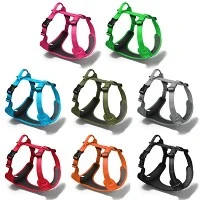
Widely used in active, training, and outdoor lifestyle segments with strong demand for functional upgrades.


Matching Collar and Leash Sets
Popular in retail environments due to strong visual appeal and higher perceived value.
These product lines also allow brands to build cohesive collections rather than isolated SKUs.


Why Long-Term Supplier Partnerships Matter
- Short-term sourcing decisions often focus on price.
- Long-term success, however, depends on stability.
- Strong supplier partnerships help businesses:
- Reduce operational risk
- Improve planning accuracy
- Maintain consistent product quality
- Scale product lines efficiently
- Over time, this stability becomes a key competitive advantage.
Final Thoughts
Building a successful pet brand is not only about product ideas or marketing strategy.
It also depends on whether the supply chain can support consistent growth.
Manufacturing reliability, customization capability, and communication efficiency all play a critical role in long-term success.
For many businesses, the right partner becomes a foundation for expansion-not just a production source.