





Global Pet Wholesale Is Changing Faster Than Most Buyers Realize
Five years ago, many pet retailers sourced products almost entirely based on price.
Today, that strategy no longer works.
Consumers are paying closer attention to product quality, material safety, packaging presentation, and brand identity than ever before. At the same time, online competition has made it difficult for retailers to sell generic products that can be found on hundreds of websites.
For wholesalers and distributors, the challenge is no longer finding a supplier. The challenge is finding a supplier that can help build a sustainable business.
Why Cheap Products Often Become Expensive
Many first-time importers focus heavily on unit cost.
A collar priced at $0.20 less may appear attractive during negotiations.
However, hidden costs often emerge later:
- Customer complaints
- Product returns
- Negative reviews
- Delayed shipments
- Packaging issues
- Color inconsistency
A supplier that saves a few cents during purchasing can easily cost thousands in lost sales.
Experienced buyers therefore evaluate total business cost rather than factory price alone.
What Products Are Driving Wholesale Demand Today?
The strongest wholesale growth is occurring in categories that combine functionality with design.
For example:
Waterproof Walking Gear
Pet owners increasingly prefer products that are easy to clean after outdoor activities.
PVC-coated collars and leashes continue gaining popularity because they resist odors, moisture, and dirt.
No-Pull Harnesses
Training-focused products remain one of the fastest-growing categories globally.
Consumers want better control without sacrificing comfort.
Matching Collections
Instead of purchasing individual accessories, many pet owners now prefer coordinated sets including:
- Harness
- Leash
- Collar
- Bandana
- Poop bag holder
These bundled products often generate higher average order values for retailers.

A Growing Shift Toward Private Label Products
Ten years ago, most stores sold generic pet products.
Today, many retailers are developing their own brands.
There are several reasons:
Higher Margins
Private-label products typically provide better profitability than reselling common products.
Customer Retention
Customers remember brands, not factories.
Reduced Price Competition
Unique products make direct comparisons more difficult.
For this reason, OEM manufacturing has become a major growth driver across the pet industry.
What Professional Buyers Check Before Placing Orders
When evaluating a supplier, experienced buyers often request more than quotations.
They look for evidence of manufacturing capability.
Questions commonly asked include:
- How is stitching inspected?
- What tensile tests are performed?
- How are colors matched?
- Can hardware pass salt-spray testing?
- What quality checkpoints exist before shipment?
The answers often reveal more about a factory than its product catalog.
Where Many Pet Brands Fail
The biggest mistake is focusing exclusively on finding products.
Successful brands focus on creating systems.
- A product can be copied.
- A reliable supply chain is much harder to copy.
- Retailers that consistently grow often have:
- Stable suppliers
- Predictable lead times
- Consistent quality standards
- Long-term product development plans
This allows them to scale more efficiently than competitors constantly changing factories.
Products Currently Popular Among Wholesale Buyers
Among international buyers, several categories continue generating strong demand:
Custom Dog Collar Collections
Personalized branding, woven labels, and custom packaging remain highly requested.


Waterproof PVC Leashes
Outdoor-oriented consumers appreciate products that are easy to maintain.


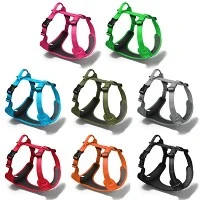
Reflective Dog Harnesses
Safety-focused products remain attractive in North American and European markets.


Final Thoughts
Global pet wholesale is becoming increasingly sophisticated.
Retailers are no longer competing simply through price. They are competing through quality, branding, product innovation, and customer experience.
The businesses that thrive over the next decade will be those that build strong supplier relationships and develop products that genuinely solve customer needs rather than chasing short-term trends.