


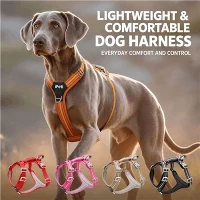
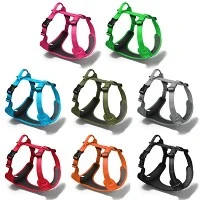


Securing a harness properly is crucial for your dog's safety, comfort, and control during walks. The exact steps depend on the type of harness (e.g., step-in, slip-on, front-clip, back-clip), but here's a general guide to ensure a secure and comfortable fit:
1. Choose the Right Harness Type for Your Dog
Different harnesses have unique fastening mechanisms. Common types include:
Step-in harnesses: Require the dog to step into leg holes before securing straps.
Over-the-head harnesses: Slide over the head first, then fasten around the chest.
Front-clip or back-clip harnesses: Fasten with buckles, Velcro, or clips on the front, back, or sides.
Select a harness that matches your dog's size, breed, and behavior (e.g., no-pull harnesses for strong pullers).
2. Measure for Proper Fit
A poorly fitted harness can cause discomfort or slipping. Use a soft measuring tape to:
Measure girth: Around the widest part of the chest (just behind the front legs).
Measure neck circumference: Where the harness will rest on the neck.
Refer to the manufacturer's size chart to choose the right size.
Test the fit:
You should be able to fit 2 fingers snugly under any strap (not too tight or too loose).
The harness should lie flat against the body, not twist or ride up.
Ensure the leg holes are wide enough to avoid rubbing.
3. Step-by-Step Securing Guide
A. Step-In Harnesses (Most Common)
Lay the harness flat: Place it on the ground with the leg holes open.
Guide paws into leg holes:
Hold treats near each leg hole to lure your dog to step in.
Gently lift each front paw and thread it through the corresponding hole (start with the front legs).
Fasten the straps:
Bring the harness up around the chest and back.
Secure the buckles, Velcro, or clips (usually on the back or side).
Double-check that the straps are even and not twisted.
B. Over-the-Head Harnesses
Prepare the neck loop: Hold the harness with the neck loop facing your dog.
Slide over the head:
Use a treat to lure your dog's head through the neck loop.
Gently guide the loop over their head, avoiding sudden movements.
Secure the chest strap:
Wrap the chest strap around the ribcage and fasten the clips/buckles.
Ensure the strap sits just behind the front legs, not too high or low.
C. Wrap-Around or Front-Clip Harnesses
Position the harness on the body: Drape it over your dog's back, with the chest panel covering the sternum.
Fasten the side or front clips:
For side clips: Bring the two sides together and snap the buckles (common in simple harnesses).
For front-clip harnesses: Fasten the clip on the chest (ideal for no-pull training).
Adjust straps: Tighten or loosen the adjustable straps (usually on the neck, chest, or girth) for a snug fit.
4. Check for Security and Comfort
Tug test: Gently pull on the harness handle or leash attachment point to ensure it doesn't slide off or shift.
Skin check: Run your hand under the harness to make sure no fur is pinched and the straps lie flat.
Movement test: Let your dog walk, sit, and lie down to ensure the harness doesn't restrict movement.
5. Common Mistakes to Avoid
Over-tightening: Restricts breathing and causes chafing.
Under-tightening: Allows the dog to back out of the harness (common in small breeds or escape artists).
Incorrect strap placement: Straps should never dig into the armpits or neck.
Ignoring wear and tear: Replace a harness with frayed straps, broken buckles, or stretched fabric.
6. Adjusting for Growth or Seasonal Changes
Puppies: Re-measure every 2–4 weeks as they grow.
Winter coats: If your dog wears a thick coat, slightly loosen the straps for comfort.
Weight changes: Adjust the harness if your dog gains or loses weight.
When to Replace a Harness
The buckles/clips are damaged or difficult to fasten.
Straps are frayed or stretched beyond repair.
The harness no longer fits properly after adjustments.
Key Tips for Success
Use positive reinforcement: Reward your dog with treats and praise during and after securing the harness to create a positive association.
Practice indoors first: Let your dog get used to the harness in a low-distraction environment before heading outside.
Be patient: If your dog resists, take breaks and try again in short sessions (see How to Put a Harness on a Difficult Dog for more tips).
By following these steps, you'll ensure the harness is secure, comfortable, and safe for all adventures with your pup!
Looking for High-Quality Pet Beds and Accessories for Your Business?
If your company is a pet supply distributor, brand owner, or e-commerce seller, finding reliable, high-quality pet products is essential to meeting your customers' needs. At Mima Xiamen Smart Tech Co., Ltd. - operating under our B2B brand iPeti - we specialize in the manufacturing and wholesale of premium pet products, including:
🛏️ Pet beds & cozy mats – designed for comfort and security


🐶 Collars, leashes & harnesses – durable, customizable materials


👕 Pet apparel & accessories – stylish, practical, and pet-friendly
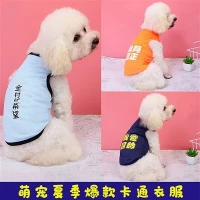


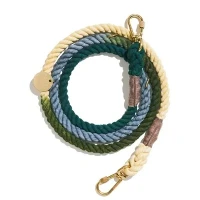
🧼 Other essentials – poop bags, toys, smart feeders, and more



Why partner with us:
✨ OEM / ODM customization – tailor products to fit your brand's style, color palette, and packaging.
🏭 Factory-direct wholesale – competitive pricing with consistent quality.
🌍 Global export service – trusted by international brands and distributors.
Whether your customers prefer cozy corners or plush beds, we can help you offer the perfect sleep solutions for dogs - while expanding your product line with reliable supply and strong margins.
📧 Email: Chris.Dong@ipetis.com
📞 WhatsApp: +86 13616011004
🌐 Website: www.ipetis.com
Let's grow your pet product business together - one comfortable bed at a time.