




Why Eco-Friendly Pet Products Are Becoming the Future of the Pet Industry
The pet industry is undergoing a structural shift.
Eco-friendly pet products are no longer positioned as a niche category. They are gradually becoming a standard requirement in both retail and wholesale markets, driven by changes in consumer behavior, regulatory expectations, and brand positioning strategies.
This shift is not happening because of marketing trends-it is happening because supply chains and end-user expectations are changing at the same time.
Sustainability Is Now a Purchasing Standard, Not a Selling Point
In the past, eco-friendly products were often considered a premium option.
Today, they are increasingly expected by buyers in:
- European retail markets
- North American pet chains
- Online DTC pet brands
- Private-label product lines
Sustainability is no longer an added value-it is becoming a baseline requirement for product selection.
What "Eco-Friendly" Means in Real Manufacturing
In actual production environments, eco-friendly pet products are defined by multiple factors, not just marketing labels.
Key elements include:
Material Selection
- Recycled polyester webbing
- Eco-certified fabrics
- Low-impact dyeing materials
- PVC alternatives with reduced environmental footprint
Production Efficiency
- Manufacturing processes are optimized to reduce:
- Waste material output
- Water consumption
- Chemical usage during dyeing and finishing
Packaging Reduction
- Many brands are shifting toward:
- Minimal packaging design
- Recyclable paper-based materials
- Reduced plastic usage in retail packaging
Why Global Brands Are Shifting Toward Eco-Friendly Pet Lines
This transition is driven by several market forces:
1. Retail Compliance Pressure
Large retailers are introducing stricter sustainability requirements for suppliers.
2. Consumer Awareness Growth
Pet owners increasingly prefer products that align with environmental responsibility.
3. Brand Positioning Strategy
Eco-friendly product lines help brands:
Improve brand image
Enter premium market segments
Differentiate from low-cost competitors
Eco-Friendly Does Not Mean Lower Performance
A common misconception is that sustainable materials reduce product durability.
In reality, modern eco-friendly materials can achieve:
- High tensile strength
- Long-term color stability
- Outdoor durability performance
- Consistent manufacturing quality
- Performance depends on material engineering and production control, not sustainability status alone.
How Eco-Friendly Products Fit into Pet Supply Chains
Eco-friendly products are increasingly integrated into:
- Private label product development
- Retail-ready walking sets
- OEM custom pet accessory programs
- Subscription-based pet product lines
This allows brands to build both sustainability positioning and commercial scalability.
Recommended Eco-Friendly Product Lines from iPeti®
Eco-Friendly Dog Collar & Leash Series
Developed with sustainable materials and controlled manufacturing processes.


OEM Sustainable Pet Accessories
Custom production solutions designed for eco-conscious brands and retailers.


Recycled Material Pet Walking Sets
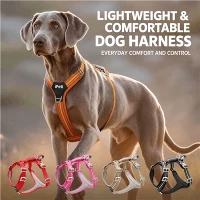
Integrated collar, leash, and harness systems built for modern sustainable product lines.


Final Insight
The future of pet products is not defined by whether they are eco-friendly or not.
It is defined by how quickly the industry adapts sustainability into standard manufacturing systems.
Brands that integrate eco-friendly materials early are better positioned for long-term global market competitiveness.