




Why Consistent Quality Control Is Critical in Pet Product Manufacturing
When buyers evaluate pet product suppliers, pricing is often the first discussion.
Experienced importers, however, know that quality consistency usually determines long-term profitability far more than a small difference in unit cost.
A dog collar that fails after six months, a harness buckle that breaks under tension, or stitching that loosens after repeated use can quickly become more expensive than any initial savings achieved during purchasing.
For pet brands, wholesalers, and retailers, quality control is not simply a factory procedure.
It is a business strategy that protects reputation, customer trust, and future growth.
Why Quality Expectations Are Rising Worldwide
Today's pet owners expect more from products than ever before.
Modern buyers evaluate products based on:
- Durability
- Safety
- Comfort
- Appearance
- Sustainability
- Brand reputation
- Social media reviews and online marketplaces mean that even a small quality issue can spread rapidly.
A single product defect can generate:
- Refund requests
- Negative reviews
- Increased return rates
- Retailer complaints
- Lost repeat business
Because pets are family members for many consumers, tolerance for product failures is often extremely low.
Quality Problems Rarely Start at Final Inspection
One of the biggest misconceptions in manufacturing is that quality control happens only after production finishes.
In reality, final inspection is simply the last checkpoint.
Consistent quality begins long before production starts.
Professional manufacturers usually divide quality control into several stages:
- Incoming material inspection
- In-process production checks
- Functional testing
- Final inspection
- Packaging verification
Each stage prevents different types of defects from moving further down the production line.
Material Inspection Is the First Defense
Many production problems originate from raw materials.
For pet accessories, inspections commonly include:
Webbing Thickness Verification
Variations can affect strength and appearance.
Hardware Dimension Checks
Small differences may create assembly problems.
Color Matching
Batch consistency is particularly important for private-label programs.
Surface Inspection
Scratches, contamination, and coating defects must be identified early.
Detecting material issues before production begins significantly reduces waste.
Production Monitoring Prevents Small Problems Becoming Large Problems
During manufacturing, operators and supervisors monitor:
- Stitching density
- Thread tension
- Printing accuracy
- Heat transfer quality
- Hardware installation
- Dimensional tolerances
Without these checks, small variations can multiply across thousands of products.
A single machine setting error may affect an entire shipment.
Tensile Testing Is Essential for Pet Safety
Unlike many consumer goods, pet accessories regularly experience mechanical stress.
Products such as:
- Dog collars
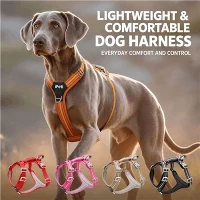
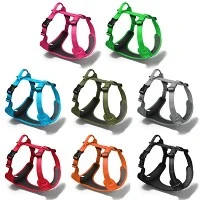
- Harnesses
- Leashes
- must withstand repeated pulling forces.
Tensile testing helps verify:
- Stitch integrity
- Hardware reliability
- Material performance
- Safety margins
Large breeds and working dogs place particularly high demands on walking equipment.
Consistency Matters More Than Peak Performance
Many factories can produce an excellent sample.
The real challenge is producing identical quality across:
- 500 pieces
- 5,000 pieces
- 50,000 pieces
Professional buyers often evaluate suppliers based on repeatability rather than isolated performance.
Consistency is what builds brands.
Common Quality Issues Seen in Pet Accessories
Importers frequently encounter problems such as:
Uneven Stitching
Can affect both appearance and durability.
Hardware Color Variation
Common in mixed production batches.
Printing Misalignment
Particularly visible on customized products.
Inconsistent Sizing
Can create retailer returns and customer complaints.
Weak Stress Points
Often found near D-rings and adjustment hardware.
Many of these issues are preventable through process control rather than final inspection alone.
Why Quality Control Directly Impacts Profitability
Quality failures generate costs beyond replacement products.
Additional expenses often include:
- International freight claims
- Customer service labor
- Marketplace penalties
- Warehouse handling
- Lost retailer confidence
The true cost of poor quality frequently exceeds the original manufacturing cost.
How Leading Factories Build Quality Systems
Successful manufacturers typically combine:
- Standard operating procedures
- Employee training
- Production traceability
- Statistical sampling
- Continuous improvement systems
This creates stability even during peak production seasons.
How OEM and Private Label Programs Increase Quality Requirements
Private-label buyers generally require tighter tolerances than generic products.
Typical requirements include:
- Pantone color matching
- Custom packaging consistency
- Logo positioning accuracy
- Barcode verification
- Retail presentation standards
As branding becomes more important, manufacturing precision becomes increasingly valuable.
Recommended Product Categories Where Quality Matters Most
Certain pet products require particularly rigorous quality management.
Heavy-Duty Dog Harnesses
Load-bearing areas experience significant stress during daily use.


Tactical Dog Leashes
Hardware and stitching reliability directly influence safety.


Personalized Dog Collars
Customization accuracy becomes equally important as structural strength.
These categories often benefit most from advanced inspection procedures.


How iPeti® Approaches Quality Control
At iPeti®, quality monitoring begins before production starts and continues through every manufacturing stage.
Our production teams perform checks on:
- Raw materials
- Cutting accuracy
- Sewing quality
- Hardware installation
- Packaging consistency
Products are reviewed throughout the process rather than waiting until shipment preparation.
This approach helps maintain consistency across OEM and private-label production programs serving wholesalers, retailers, and pet brands in international markets.
Final Thoughts
Quality control is often invisible when it works properly.
Customers notice it only when it fails.
For pet brands and distributors, consistent manufacturing quality protects more than products.
It protects customer trust, retailer relationships, and long-term business growth.
In a market where reputation spreads quickly, quality consistency is no longer a competitive advantage.
It is the minimum expectation.