





How to Leverage Seasonal Pet Product Trends to Optimize Wholesale Purchasing Strategies
- The pet industry experiences clear seasonal trends that affect both consumer demand and wholesale purchasing decisions. Understanding these patterns allows wholesalers to plan ahead, balance inventory, and maximize profits throughout the year. From cozy winter gear to cooling summer accessories, every season presents new opportunities to cater to pet owners' evolving needs.
1. Understanding Seasonal Pet Product Trends
Pet products, like human goods, fluctuate with the seasons. Common examples include:
- Winter: Warm pet clothing, heated beds, fleece blankets, and moisturizing paw balms become popular as pet owners seek comfort and protection from the cold.
- Spring: Outdoor activity items such as harnesses, travel bowls, and grooming tools see a rise in demand as pets spend more time outside.
- Summer: Cooling mats, breathable harnesses, portable water dispensers, and anti-heat pet toys dominate the market.
- Autumn: Transition items like lightweight jackets, paw protectors, and raincoats become top sellers.
- By tracking these cycles, wholesalers can anticipate which products will perform best each season and avoid stock shortages or excess inventory.
2. Adapting Procurement Strategies to Seasonal Changes
To stay competitive, wholesalers must align their purchasing plans with these seasonal shifts:
- Forecast Demand Early: Use sales data from previous years to predict which items will trend again. Pre-ordering seasonal products ensures stable supply during peak demand.
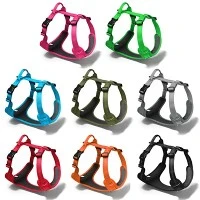
- Diversify Product Lines: Offer a mix of items that cover multiple seasonal needs, such as adjustable pet harnesses suitable for both warm and cool months.
- Plan Flexible Inventory: Avoid overstocking off-season products. Instead, maintain moderate inventory and rely on pre-season orders from retailers to fine-tune quantities.
- Collaborate with Reliable Suppliers: Build relationships with manufacturers who can deliver customized and small-batch orders quickly when market demand shifts.
3. Using Seasonal Insights to Predict Future Demand
- Seasonal insights not only help manage current stock but also forecast future opportunities. For instance, growing awareness of eco-friendly pet accessories has led to an increase in demand for sustainable materials across all seasons. By monitoring online search trends and consumer preferences, wholesalers can predict emerging product categories before competitors.
- Data-driven purchasing supported by seasonal trend analysis ensures that wholesalers stay agile and responsive in a fast-changing market.
4. Key Takeaways for Wholesalers
Track and analyze seasonal pet product trends regularly.
- Adjust procurement schedules and inventory levels according to demand cycles.
- Offer diverse and sustainable product lines to appeal to eco-conscious consumers.
- Partner with suppliers who provide flexibility in MOQ (Minimum Order Quantity) and production timelines.