




- Choosing the correct dog collar size is one of the most important yet overlooked aspects of pet care. A collar that is too tight can cause discomfort or even injury, while a collar that is too loose can slip off and put your dog at risk.
- Whether you are a first-time dog owner or a pet business looking to educate your customers, understanding how to properly size a dog collar is essential.
- In this complete guide, you'll learn:
- How to measure your dog's neck correctly
- Dog collar size charts for all breeds
- Common mistakes to avoid
- Why adjustable collars are the best option
- How to choose the perfect collar and leash set
👉 For a reliable adjustable option, you can explore this example:
https://www.ipetis.com/dog-collar-and-leash-set/pattern-dog-leash-set/herringbone-dog-collar-and-leash-set.html
Why Proper Dog Collar Size Matters
A properly fitted collar ensures:
1. Safety
- Prevents choking or slipping out of the collar.
2. Comfort
- Avoids skin irritation and pressure.
3. Better Control
- Allows you to guide your dog effectively during walks.
4. Training Efficiency
- A well-fitted collar improves communication between owner and dog.
Step-by-Step: How to Measure Your Dog's Neck
- Getting the right measurement is simple but must be done correctly.
Step 1: Use a Soft Measuring Tape
- Wrap it around the base of your dog's neck (where the collar sits).
Step 2: Measure Snugly (Not Tight)
- The tape should be snug but not squeezing.
Step 3: Apply the "Two-Finger Rule"
- You should be able to fit two fingers between the collar and your dog's neck.
Step 4: Record the Measurement
- This is your dog's neck size.
Dog Collar Size Chart
| Dog Size | Neck Size (inches) | Example Breeds |
|---|---|---|
| Small | 8 – 12 | Chihuahua, Pomeranian |
| Medium | 12 – 18 | Beagle, Cocker Spaniel |
| Large | 16 – 24 | Labrador, Golden Retriever |
| Extra Large | 22 – 30 | German Shepherd, Rottweiler |
👉 Tip: Always choose collars with adjustable ranges rather than fixed sizes.
Why Adjustable Dog Collars Are the Best Choice
Adjustable collars are highly recommended because they:
- Fit growing puppies
- Adapt to weight changes
- Provide better comfort
- Reduce return rates (for sellers)
👉 A great example of an adjustable dog collar and leash set is here:
https://www.ipetis.com/dog-collar-and-leash-set/pattern-dog-leash-set/herringbone-dog-collar-and-leash-set.html
Common Dog Collar Sizing Mistakes
Avoid these mistakes:
❌ Measuring too loosely
- Leads to collars slipping off.
❌ Ignoring fur thickness
- Fluffy dogs need slightly more room.
❌ Choosing fixed-size collars
- No flexibility for growth.
❌ Not checking adjustability range
- Important for long-term use.
How Different Breeds Affect Collar Size
Different breeds have different neck structures:
Small Breeds
- Need lightweight, soft collars.
Medium Breeds
- Balanced strength and comfort.
Large Breeds
- Require strong hardware and reinforced stitching.
👉 For medium to large dogs, durable options like this are ideal:
https://www.ipetis.com/dog-collar-and-leash-set/pattern-dog-leash-set/herringbone-dog-collar-and-leash-set.html
Collar Types and Their Fit
Flat Collars
- Most common and easiest to size.
Martingale Collars
- Provide extra control but need precise sizing.
Harness vs Collar
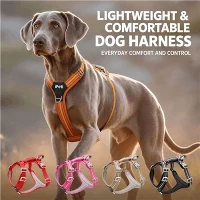
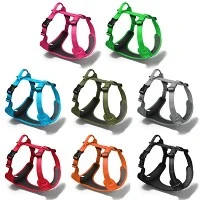
- Harnesses reduce neck pressure but collars are better for ID tags and quick walks.
Why Collar and Leash Sets Are Better
Buying a set ensures:
- Matching design
- Consistent quality
- Better value
- Stronger brand perception (for sellers)
👉 Explore a matching set here:
https://www.ipetis.com/dog-collar-and-leash-set/pattern-dog-leash-set/herringbone-dog-collar-and-leash-set.html
Material Matters for Sizing Comfort
Different materials affect how a collar fits:
Nylon
- Lightweight but less premium.
Leather
- Durable but less adjustable.
Herringbone Fabric
Best combination of:
- Flexibility
- Durability
- Comfort
When to Replace Your Dog's Collar
Replace the collar if:
- It becomes too tight
- It shows signs of wear
- Hardware becomes loose
- Your dog outgrows it
Sizing Tips for Puppies
Puppies grow quickly, so:
- Choose adjustable collars
- Check fit every 2–3 weeks
- Avoid heavy hardware
For Pet Businesses: Why Size Guides Drive Traffic
This type of content is powerful because:
1. High Search Volume
- "dog collar size guide" is widely searched.
2. Evergreen Content
- Always relevant.
3. Conversion Funnel
- Users learn → trust → click product.
FAQ
How tight should a dog collar be?
- You should be able to fit two fingers between the collar and your dog's neck.
What size collar does my dog need?
- Measure your dog's neck and refer to a size chart.
Are adjustable collars better?
- Yes, they provide flexibility and comfort.
How often should I check collar fit?
- At least once a month, or more frequently for puppies.
Conclusion
Choosing the right dog collar size is essential for your dog's safety, comfort, and overall well-being.
Always remember:
- Measure accurately
- Use the two-finger rule
- Choose adjustable collars
- Invest in quality materials
👉 For a reliable, adjustable, and stylish option, explore:
https://www.ipetis.com/dog-collar-and-leash-set/pattern-dog-leash-set/herringbone-dog-collar-and-leash-set.html