



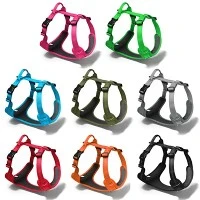


In many cases, vets do recommend harnesses, as they offer several advantages over traditional collars that can contribute to a dog's overall well - being. Here's a detailed look at why vets often suggest using harnesses:
Reduced Neck and Spine Stress: When a dog pulls on a collar, the force is concentrated on the neck, which can potentially cause injuries such as tracheal damage, neck strains, or nerve problems, especially in small breeds or dogs with pre - existing neck or respiratory conditions. Harnesses distribute the pulling force more evenly across the chest and shoulders, minimizing the risk of these types of injuries. This makes them a safer option, particularly for dogs that tend to pull during walks.
Better Control: Harnesses give pet owners more control over their dogs, especially useful for larger breeds or dogs that are difficult to manage on a leash. The design of a harness allows owners to guide and redirect their dogs more effectively without causing discomfort or harm, making walks safer and more enjoyable for both the owner and the dog.
Ideal for Special Needs Dogs: For dogs with certain medical conditions or physical limitations, harnesses can be extremely beneficial. For example, dogs recovering from neck, back, or shoulder surgeries may find collars painful, and a harness provides a more comfortable and supportive alternative for walking and movement. Similarly, older dogs with joint problems or mobility issues can benefit from the added support and stability that a harness offers.
Preventing Escape: Some dogs are experts at slipping out of collars, especially if they pull hard or have a narrow head. Harnesses typically have a more secure fit, reducing the likelihood of a dog escaping during a walk. This added security can provide peace of mind for owners, knowing that their dog is less likely to get loose in potentially dangerous situations.
However, it's important to note that not all harnesses are created equal. Vets also emphasize the importance of choosing the right type of harness for your dog's size, breed, and activity level, and ensuring that it fits properly. An ill - fitting harness can cause chafing, rubbing, or restrict a dog's movement, potentially leading to other problems. Additionally, in some specific situations, such as for dogs with certain types of skin conditions in the chest area where the harness contacts the body, a well - fitted collar might be a more appropriate choice. But overall, due to the many benefits they offer, harnesses are a widely recommended option among veterinarians for routine walking and leash training.