


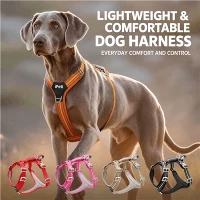
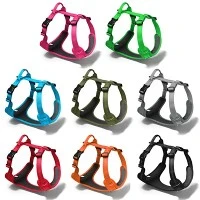


Dog training collars are widely used by pet owners and professional trainers-but one question continues to come up:
👉 Are dog training collars actually safe?
If you've ever worried about your dog's comfort, health, or well-being while using a training collar, you're not alone. Many dog owners hesitate because of conflicting information online.
The truth is:
Dog training collars can be completely safe-if you choose the right type and use them correctly.
In this guide, we'll break down everything you need to know, including safety tips, common mistakes, and how to choose a collar that protects your dog.
👉 You can also explore a safe, well-designed option here:
https://www.ipetis.com/dog-collar/tactical-dog-collar/dog-training-collar.html
What Are Dog Training Collars?
Dog training collars are tools designed to help guide and correct a dog's behavior. They are commonly used for:
- Obedience training
- Behavior correction
- Leash control
- Outdoor safety
However, not all training collars are the same-and safety depends largely on design and quality.
Are Dog Training Collars Safe? (Short Answer)
👉 Yes-when used properly and when you choose a high-quality collar.
Safety depends on three main factors:
- Correct fit
- Proper usage
- Quality materials
Why Some Dog Training Collars Are Unsafe
Not all collars are created equal. Problems usually come from:
❌ Cheap Materials
Low-quality collars can break or cause irritation.
❌ Poor Design
Lack of padding or weak hardware increases risk.
❌ Incorrect Size
Too tight → discomfort
Too loose → ineffective control
What Makes a Dog Training Collar Safe?
A safe collar includes:
✔ Durable Materials
- Heavy-duty nylon prevents breakage.
✔ Soft Padding
- Reduces friction and protects the skin.
✔ Strong Buckle
- Ensures secure fit without slipping.
✔ Adjustable Fit
- Allows customization for comfort.
👉 A well-designed example includes all these features:
https://www.ipetis.com/dog-collar/tactical-dog-collar/dog-training-collar.html
Expert Insights: What Trainers Recommend
Professional dog trainers often recommend:
- Using padded collars
- Avoiding cheap products
- Ensuring proper fit
- Using collars as guidance tools-not punishment
👉 Tactical dog collars are commonly preferred because they balance safety and control.
How to Use a Dog Training Collar Safely
1. Ensure Proper Fit
- Not too tight
- Not too loose
- Leave 2-finger space
2. Use for Training, Not Force
- Collars should guide behavior-not cause discomfort.
3. Check Regularly
- Inspect for wear
- Adjust as needed
4. Avoid Continuous Pressure
- Do not keep tension on the leash constantly.
Common Safety Mistakes to Avoid
- Using the wrong size
- Buying low-quality collars
- Leaving collar on too long
- Using excessive force
Are Tactical Dog Collars Safer?
👉 In most cases: Yes
Why?
- Stronger materials
- Better construction
- Comfortable padding
- More control
- 👉 See a safe tactical option here:
https://www.ipetis.com/dog-collar/tactical-dog-collar/dog-training-collar.html
Best Use Cases for Safe Training Collars
- Obedience training
- Walking strong dogs
- Outdoor activities
- Working dogs
FAQ
Are dog training collars harmful?
No, if used correctly and properly fitted.
What type of collar is safest?
A padded, adjustable tactical dog collar.
Can I use it daily?
Yes, if it is comfortable and well-designed.
Is it safe for large dogs?
Yes, especially heavy-duty collars designed for strength.
Conclusion
Dog training collars are not dangerous tools-they are only as safe as the way they are used and the quality you choose.
By selecting a durable, padded, and adjustable collar, you can ensure both safety and effectiveness.
👉 If you're looking for a safe and reliable option, check this product:
https://www.ipetis.com/dog-collar/tactical-dog-collar/dog-training-collar.html