






Why Is It Called a Toy Dog? Understanding Toy Breeds, Origins, and What It Really Means
Introduction
The term "toy dog" often confuses first-time dog owners. At first glance, it may sound like these dogs are "toys" or miniature versions of larger breeds created for decoration or entertainment.
In reality, the term has nothing to do with playthings.
Instead, "toy dog" refers to a specific group of small companion dog breeds that were selectively bred for companionship rather than working tasks such as hunting, herding, or guarding.
Understanding the origin of this classification helps pet owners make better decisions when choosing small dog breeds for home living.
What Does "Toy Dog" Actually Mean?
A toy dog is not a single breed. It is a category used to describe extremely small dog breeds that typically weigh under a certain threshold depending on kennel club standards.
Common toy breeds include:
- Chihuahua
- Pomeranian
- Maltese
- Yorkshire Terrier
- Toy Poodle
- Papillon
These dogs are bred primarily for companionship and indoor living rather than physical labor or outdoor working roles.
The word "toy" simply reflects their small size and companion-focused role, not their function as objects.
Why Are They Called "Toy" Dogs?
The term originated during the development of companion dog breeding in Europe.
Small dogs were selectively bred to serve as lap companions for royalty and aristocratic families. Their compact size made them easy to carry, keep indoors, and provide emotional companionship.
Over time, kennel organizations adopted the term "toy group" to classify these breeds based on size and purpose.
So the name is historical and functional-not decorative.
Are Toy Dogs Different from Other Small Dogs?
Yes, but the difference is often misunderstood.
- Not all small dogs are classified as toy breeds.
- For example:
- Some small terriers fall into working or terrier groups
- Some companion breeds are classified separately based on genetics and function
- Toy breeds are specifically defined by size and breeding purpose
The classification is based on breed standards, not just appearance.
Personality Traits of Toy Dog Breeds
Although each breed is different, toy dogs often share common behavioral traits:
Strong attachment to owners
High sensitivity to environment
Compact energy bursts rather than long endurance
Preference for indoor living
Need for gentle handling
Despite their size, many toy breeds are surprisingly confident and alert.
Common Misconceptions About Toy Dogs
1. "Toy dogs are fragile"
While they are smaller, many toy breeds are surprisingly resilient when properly cared for.
2. "They don't need exercise"
Toy dogs still require daily walks and mental stimulation, even if their activity level is lower than larger breeds.
3. "They are only lap dogs"
Many toy breeds enjoy play, exploration, and short outdoor activities just as much as companionship.
Care Considerations for Toy Dog Owners
Due to their size, toy breeds require some special attention:
- Lightweight harness instead of neck-only collars
- Controlled walking environments
- Protection from extreme temperatures
- Proper socialization from an early age
- Safe indoor spaces with minimal hazards
Small body size does not reduce their need for structure, training, and activity.
Why Harnesses Are Often Better for Toy Dogs
For very small breeds, pressure on the neck can be more sensitive compared to larger dogs.
- A properly fitted harness helps:
- Distribute pressure evenly across the chest
- Reduce strain on the neck
- Improve walking stability
- Provide better control during outdoor movement
This is especially useful for toy breeds that tend to be more energetic or reactive during walks.
Recommended Products for Toy Dog Care from iPeti®
As a professional OEM and ODM pet product manufacturer, iPeti® develops lightweight and comfortable pet accessories suitable for small and toy breed dogs.
Lightweight Adjustable Dog Harnesses
Designed for small breeds with breathable materials, soft padding, and adjustable sizing to ensure comfort during daily walks.


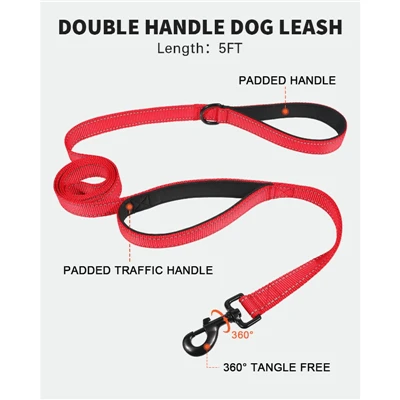
Soft Nylon Dog Leash Series
Lightweight leashes that match small dog proportions, providing better control without adding unnecessary weight.


Custom Printed Small Dog Collars
Private label collar options with lightweight construction and customizable patterns for retail and brand collections.


Frequently Asked Questions
Why are small dogs called toy dogs?
The term comes from historical breeding practices where small companion dogs were developed for companionship rather than working purposes.
Are toy dogs a separate breed?
No. "Toy dog" is a classification group that includes multiple small breeds.
Do toy dogs stay small forever?
Yes. Toy breeds are genetically small and do not grow into larger dogs.
Are toy dogs good for apartments?
Yes. Their small size and indoor adaptability make them suitable for apartment living, although they still need daily activity.
Does iPeti manufacture products for toy dogs?
Yes. iPeti produces OEM and ODM lightweight harnesses, collars, leashes, and customized pet accessories suitable for small and toy breed dogs.
Final Thoughts
The term "toy dog" does not refer to a toy-like object but to a long-established classification of small companion breeds developed for human companionship.
These dogs play an important role in modern households, especially in urban environments where space and lifestyle favor smaller pets.
Understanding their background helps owners provide better care, training, and product choices that match their physical needs and behavior patterns.