





Are LED Dog Collars Safe for Dogs? Everything Pet Owners Should Know Before Buying
Walking a dog after sunset can be relaxing, but poor visibility creates real safety risks for both pets and owners. According to traffic safety organizations, thousands of pets are involved in nighttime road accidents every year because drivers simply cannot see them in time.
This is why LED dog collars have become increasingly popular among dog owners worldwide. They improve visibility in dark environments and make evening walks significantly safer.
However, many people still ask the same question:
Are LED dog collars actually safe for dogs?
The short answer is yes-when manufactured correctly and used properly, LED dog collars are generally safe for healthy dogs and can greatly improve nighttime visibility.
This guide explains how LED collars work, whether the lights affect dogs' eyes, what materials are safest, how to choose a reliable product, and when these collars should be used.
What Is an LED Dog Collar?
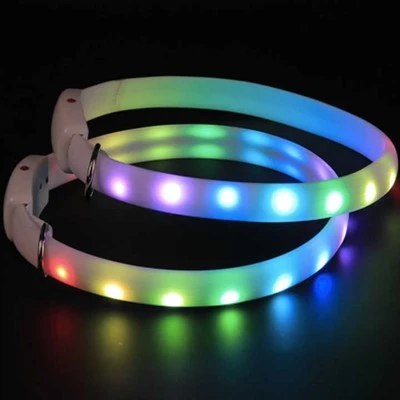
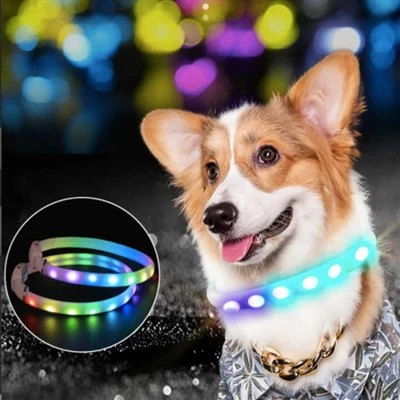
An LED dog collar is a standard dog collar integrated with low-voltage LED lighting technology. Instead of relying only on reflective materials, the collar actively emits light, making dogs visible from hundreds of feet away during nighttime walks.
Modern LED collars usually include:
USB rechargeable batteries
Waterproof construction
Multiple lighting modes
Adjustable sizing
Nylon or PVC-coated webbing
Fiber optic or silicone light tubes
Unlike traditional reflective collars that only work when light shines on them, LED collars create their own illumination, making dogs easier to spot in low-light conditions.
Why Do Dog Owners Use LED Collars?
Many pet owners purchase LED collars for practical safety reasons rather than appearance.
Common situations include:
A glowing collar helps drivers, cyclists, runners, and other pedestrians notice a dog much earlier than they otherwise would.
Are LED Dog Collars Safe for Dogs?
For most dogs, the answer is yes.
The LEDs used in quality pet collars operate at very low power levels and generate minimal heat. They are designed to increase visibility rather than project strong light directly into the dog's eyes.
Since the collar sits around the neck instead of directly in front of the face, dogs are rarely exposed to direct illumination.
Veterinary discussions and pet safety resources generally agree that properly designed LED collars do not damage healthy canine eyes when used normally.
Can LED Lights Hurt a Dog's Eyes?
This is one of the most common concerns among pet owners.
Dogs perceive light differently than humans, but low-intensity LED lighting used in pet accessories is generally considered safe.
Potential issues may arise only if:
High-quality collars use diffused lighting that spreads outward instead of concentrating brightness into a single beam.
For sensitive dogs, steady illumination is often more comfortable than rapid flashing modes.
Are Flashing Modes Safe?
Most LED collars offer three settings:
Steady light is usually recommended for daily walks because it provides constant visibility without frequent brightness changes.
Slow flashing modes help conserve battery while remaining highly visible.
Fast flashing modes are generally reserved for emergency visibility situations and should not be used continuously for extended periods.
Are LED Collars Better Than Reflective Collars?
| LED Collar | Reflective Collar |
|---|---|
| Produces its own light | Reflects external light only |
| Works in complete darkness | Needs headlights or flashlights |
| Easier to locate dogs at distance | Less effective in rural areas |
| Better for off-leash visibility | Suitable for daytime use |
| Requires charging or batteries | No battery needed |
Many experienced pet owners combine both reflective stitching and LED lighting for maximum visibility.
What Materials Are Best?
Material quality plays a major role in comfort and durability.
Popular materials include:
Nylon Webbing
PVC-Coated Webbing
Silicone Light Tubes
Flexible silicone protects internal fiber optics while remaining soft against the dog's neck.
Good manufacturing quality matters far more than lighting itself.
How to Choose a Safe LED Dog Collar
When selecting a collar, consider the following factors:
Adjustable Fit
The collar should allow two fingers between the collar and the dog's neck.
Waterproof Construction
IP-rated waterproof designs continue functioning during rain or wet grass walks.
USB Rechargeable Battery
Rechargeable batteries reduce waste and provide more consistent performance than disposable cells.
Strong Hardware
Metal D-rings and reinforced buckles improve durability for active dogs.
Stable LED Circuit
Consistent illumination without flickering offers better visibility and improved comfort.
Which Dogs Benefit Most?
LED collars are especially useful for:
Dark-coated dogs can become nearly invisible after sunset, making illuminated collars particularly valuable.
How Long Do LED Dog Collars Last?
Battery performance varies by design.
Typical USB rechargeable collars provide:
Most quality LED collars are designed for hundreds of recharge cycles before battery performance noticeably declines.
Maintenance Tips
To maximize service life:
Proper maintenance helps preserve waterproof performance and battery longevity.
Frequently Asked Questions
Should dogs wear LED collars all day?
No. LED collars are primarily designed for low-light outdoor activities and nighttime walks.
Can puppies wear LED collars?
Yes, provided the collar fits correctly and is appropriately sized.
Are rechargeable collars better than battery-powered models?
Rechargeable versions are generally more economical and environmentally friendly.
Is flashing mode harmful?
For healthy dogs, occasional flashing modes are considered safe, although steady lighting is often preferred for regular use.
Can LED collars replace reflective gear?
LED collars provide active visibility, but combining reflective materials with LED illumination offers the highest level of safety.
Final Thoughts
LED dog collars are not simply fashionable accessories-they are practical safety tools that help owners keep track of their dogs in low-light environments.
When manufactured with quality materials, stable electronics, waterproof construction, and comfortable webbing, LED collars can significantly improve nighttime visibility without negatively affecting a dog's comfort or eyesight.
For pet owners who regularly walk their dogs after dark, an LED collar can be a simple investment that enhances safety for both pets and people.