



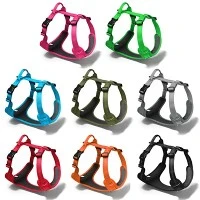


If your dog cries when you put their harness on, it's usually a sign of discomfort, stress, or a negative association with the harness. Here's a breakdown of common reasons and solutions to address the behavior:
1. Physical Discomfort or Pain
Dogs may vocalize if the harness causes pain or irritation. Check for these issues:
Poor Fit: A harness that's too tight, too loose, or incorrectly adjusted can pinch skin, rub against armpits, or restrict movement.
Solution: Measure your dog's chest and neck, then adjust the harness so you can fit 2 fingers between the fabric and their body. Ensure straps don't dig into their shoulders or abdomen.
Skin Irritation or Injuries: Existing cuts, hot spots, or sensitivity (from allergies or friction) can make putting on the harness painful.
Solution: Inspect their skin for redness, sores, or matting under the harness area. If issues persist, consult a vet.
Arthritis or Joint Pain: Older dogs or those with mobility issues may associate the harness with discomfort (e.g., lifting or pressure on sore joints).
Solution: Use a harness designed for senior dogs (e.g., a lift harness that supports the abdomen) and ask your vet about pain management.
2. Fear or Anxiety
Negative past experiences or anxiety can make harnessing a stressful event:
Traumatic Association: If the harness was previously linked to something unpleasant (e.g., a scary vet visit, loud noises during walks, or rough handling), your dog may anticipate distress.
Solution: Desensitize your dog by pairing the harness with positive experiences. Start by leaving the harness out as a neutral object, then offer treats when they sniff or approach it. Gradually progress to putting it on for short periods (without walking) while giving treats or praise.
Separation Anxiety: Some dogs cry because they associate the harness with being left alone (e.g., if you put it on before leaving for work).
Solution: Use the harness randomly for non-walk activities (e.g., indoor play) to disconnect it from "leaving" cues. Practice putting it on and taking it off without leaving the house.
Overstimulation or Anticipation: Excitement or frustration (e.g., wanting to go outside but being delayed) can also cause vocalization.
Solution: Stay calm when harnessing. Wait for your dog to settle before opening the door, and avoid rewarding frantic behavior with attention.
3. Sensory Sensitivity
Some dogs are overly sensitive to touch or the feel of fabric:
Texture Aversion: Stiff, scratchy, or heavy materials may bother dogs with sensory sensitivities.
Solution: Switch to a softer, lightweight harness (e.g., mesh or padded neoprene). Let your dog sniff and investigate the new harness before putting it on.
Claustrophobia: Dogs unaccustomed to having their bodies constrained may feel trapped by the harness.
Solution: Use a "step-in" harness (if they resist pulling it over their head) or a front-clip harness that feels less confining. Start with short wear times (5–10 minutes indoors) and gradually increase.
4. Reinforcement of Crying Behavior
If your dog has learned that crying gets them what they want (e.g., attention, treats, or avoiding the harness), they may repeat the behavior:
Accidental Reinforcement: If you comfort or remove the harness when they cry, you're rewarding the behavior.
Solution: Ignore the crying (stay neutral and avoid eye contact) until they calm down. Once quiet, praise them and proceed. If they refuse to stop, remove the harness and try again later in a calm environment.
Confusion About Commands: Dogs may cry if they're unsure of what's expected (e.g., if harnessing is rushed or inconsistent).
Solution: Use a consistent verbal cue (e.g., "let's get your harness on") and a calm, predictable routine. Reward cooperation with a treat after the harness is on and they're quiet.
5. Underlying Medical Issues
Persistent crying during harnessing could signal an undiagnosed health problem:
Pain from Hidden Injuries: Check for subtle signs of discomfort (e.g., flinching when the harness touches a specific area, limping, or reluctance to move).
Solution: Schedule a vet exam to rule out injuries, arthritis, or organ issues that could be exacerbated by pressure from the harness.
How to Help Your Dog Overcome Harness Fear
Positive Reinforcement Training:
Start with the harness lying on the floor. Toss treats near it so your dog associates it with food.
Gradually touch the harness to their body, rewarding calm behavior.
Practice putting one strap on at a time, rewarding after each step.
Build up to full harnessing, followed by a short, fun walk (if the goal is walking).
Use High-Value Treats:
Offer extra-tasty rewards (e.g., chicken, cheese, or freeze-dried liver) only during harnessing to create a positive association.
Try a Different Harness Style:
Experiment with front-clip, back-clip, or no-pull harnesses to see which is most comfortable.
For dogs who hate having things pulled over their head, a step-in harness may be less stressful.
Be Patient and Consistent:
Avoid forcing the harness on, as this can worsen anxiety. Take breaks if your dog seems overwhelmed.
Practice short sessions daily (5–10 minutes) to build trust.
When to Seek Professional Help
If your dog's crying persists despite adjustments, or if they show extreme fear (e.g., trembling, hiding, or aggressive behavior), consult:
A certified dog trainer (CPDT-KA or similar) for behavior modification.
Your vet to rule out medical causes and discuss anxiety medications if needed.
Conclusion
Most cases of crying during harnessing stem from discomfort, fear, or learned behavior. By addressing fit, using positive training, and creating a stress-free routine, you can help your dog feel safe and happy in their harness. Patience and consistency are key-avoid rushing the process, and always prioritize your dog's comfort.